Alexandria: Nearly Three Centuries of History Along the Potomac
Alexandria's identity begins with the Potomac River.
Long before European settlement, Indigenous communities inhabited and traveled through the region.
Alexandria was formally established in 1749, developing as an important colonial port and commercial center.
Its waterfront became a hub for shipping, trade, and regional commerce.
The city's history includes prominent early American figures, maritime activity, and the complex legacy of slavery, including Alexandria's role in the domestic slave trade.
During the nineteenth century, Alexandria experienced significant political and economic changes.
The city became part of the District of Columbia, coming under federal jurisdiction in 1801, and was returned to Virginia in 1846.
During the Civil War, Union forces occupied Alexandria because of its strategic location near Washington.
In the decades that followed, the city evolved through industrial development, transportation expansion, and residential growth.
The twentieth century brought substantial preservation efforts, helping protect Old Town's architectural heritage.
Today, Alexandria's historic streets, waterfront, museums, and preserved buildings contribute to a remarkable sense of continuity.
Historic landmarks worth knowing
Carlyle House Historic Park is an eighteenth-century mansion associated with Alexandria's colonial history. Gadsby's Tavern Museum includes historic tavern buildings connected to early American civic and social life. Alexandria Black History Museum is a resource for understanding African American history and community life. Freedom House Museum documents Alexandria's involvement in the domestic slave trade.
Understanding Alexandria: City Limits Matter
Before exploring neighborhoods, buyers should understand one of Alexandria's most important geographic distinctions.
The independent City of Alexandria is separate from Fairfax County. However, many properties with Alexandria mailing addresses are actually located in Fairfax County.
These properties can have different school systems, real estate taxes, municipal services, zoning requirements, and neighborhood characteristics.
This distinction becomes especially important when evaluating luxury properties. A historic townhouse in Old Town and a waterfront estate in the Mount Vernon area may both have Alexandria addresses, but they offer very different lifestyles and ownership considerations.
The mailing address is only the beginning. The actual jurisdiction determines many of the details that matter most.
City of Alexandria
The independent city has its own government, Alexandria City Public Schools, city real estate tax structure, and city zoning and historic preservation regulations. It includes Old Town, Del Ray, Rosemont, and other city neighborhoods.
Alexandria addresses in Fairfax County
These properties fall under Fairfax County government, Fairfax County Public Schools, the county real estate tax structure, and county zoning and applicable local restrictions. They include Belle Haven, Fort Hunt, Mount Vernon, and other communities.
Alexandria's Most Distinctive Neighborhoods
Alexandria's residential neighborhoods offer dramatically different interpretations of luxury.
Some emphasize historic architecture and walkability. Others provide mature landscaping, larger homes, or a quieter suburban environment.
Old Town Alexandria
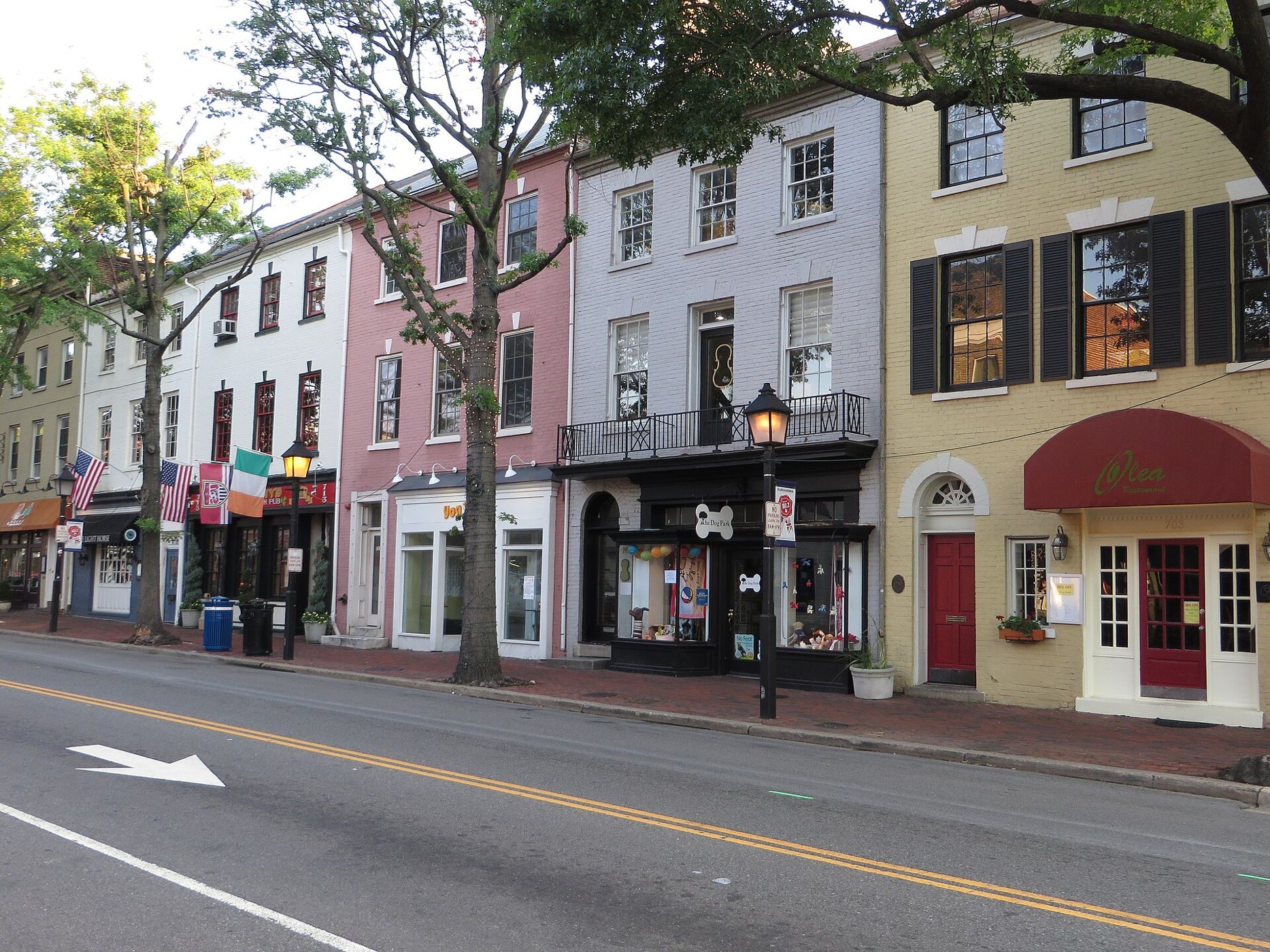
Old Town is Alexandria's signature neighborhood. Its brick sidewalks, historic architecture, cobblestone streets, and proximity to the Potomac create an atmosphere that feels both sophisticated and deeply rooted in history. Housing includes Federal-style townhouses, historic rowhouses, carefully renovated residences, and select contemporary properties. For buyers who appreciate architectural heritage and a pedestrian-oriented lifestyle, Old Town offers an exceptional experience. However, historic preservation regulations, limited parking, older building systems, and proximity to commercial activity can introduce challenges.
Old Town North
Old Town North blends historic surroundings with newer residential development. The neighborhood includes contemporary condominiums, townhomes, and residences near the waterfront. Its proximity to parks, restaurants, and the Potomac makes it appealing to buyers seeking a more modern interpretation of Old Town living.
Del Ray
Del Ray offers a distinctly neighborhood-oriented atmosphere. Centered around Mount Vernon Avenue, the area is known for independent businesses, restaurants, cafés, and established residential streets. Craftsman homes, bungalows, renovations, and new construction create an appealing architectural mix. For buyers who want a strong neighborhood identity and convenient access to local amenities, Del Ray can be particularly attractive.
Rosemont
Rosemont offers tree-lined streets, traditional homes, and proximity to the King Street-Old Town Metro station. Its architecture includes early twentieth-century residences, renovated homes, and custom construction. Rosemont may appeal to buyers seeking a quieter residential environment without sacrificing access to Old Town and regional transportation.
North Ridge
North Ridge features established residential streets, mature trees, and a range of detached homes. Its location offers access to Alexandria's commercial districts while maintaining a traditional neighborhood atmosphere. For buyers prioritizing residential character and convenience, North Ridge deserves consideration.
Seminary Hill
Seminary Hill includes wooded settings, substantial homes, and a quieter residential atmosphere in portions of the neighborhood. Certain properties offer larger lots and a sense of privacy that contrasts with Old Town's compact historic streets.
Belle Haven
Belle Haven is located in Fairfax County, despite its Alexandria mailing address. The neighborhood includes established luxury residences, mature landscaping, and access to the Potomac River corridor. Its proximity to Belle Haven Country Club and the George Washington Memorial Parkway contributes to its appeal.
Fort Hunt and Mount Vernon
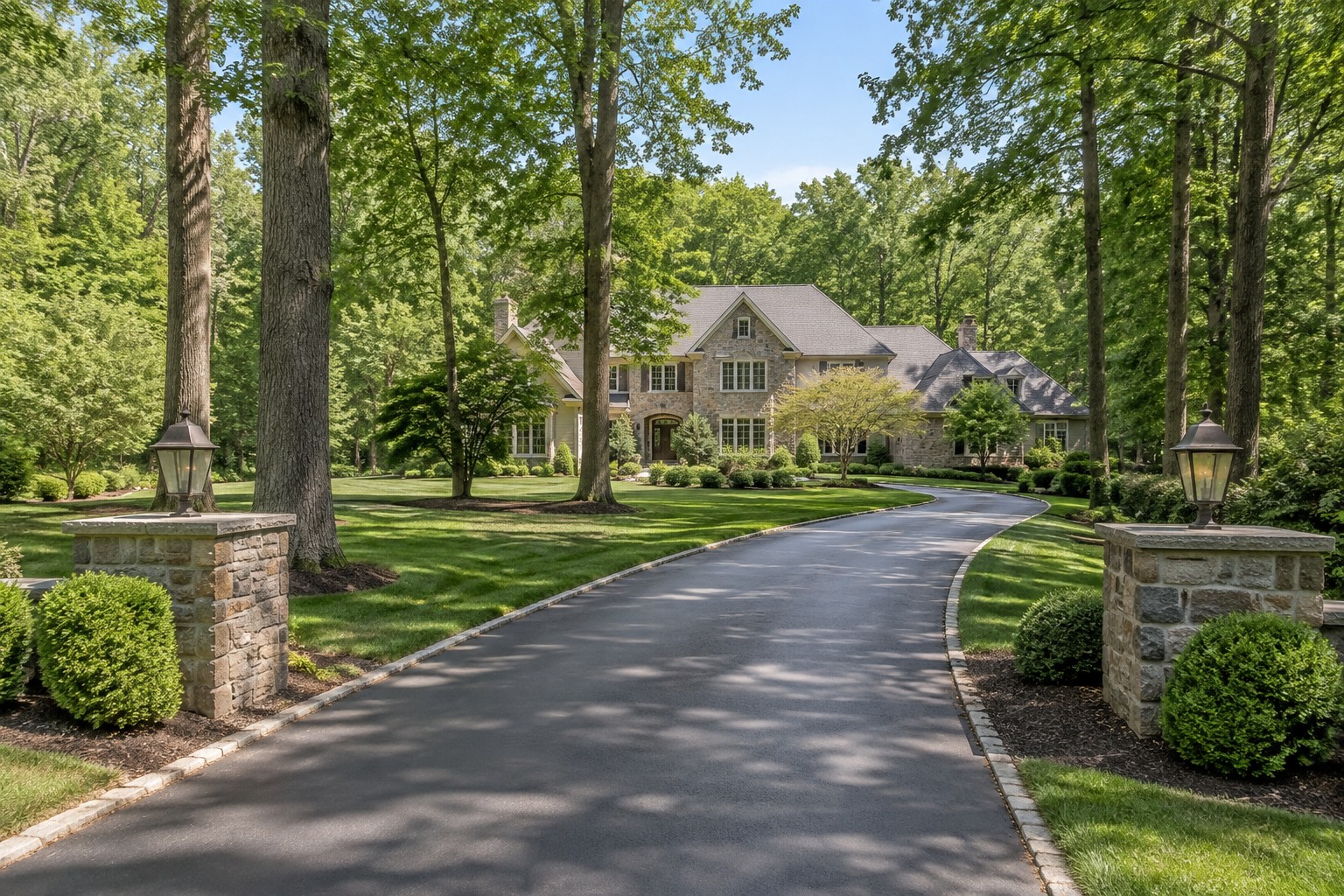
South of the independent city, the Fort Hunt and Mount Vernon areas offer a different residential environment. Buyers may encounter larger lots, wooded neighborhoods, waterfront residences, and substantial custom homes. For those seeking more space and a quieter atmosphere, these communities may offer an attractive alternative to Old Town.
Old Town: The Art of Living Somewhere Extraordinary
Old Town offers a distinctive residential experience in Northern Virginia.
Its historic architecture, pedestrian-friendly streets, restaurants, galleries, and waterfront create an environment that is difficult to replicate.
A typical day might begin with coffee at a neighborhood café, continue with a walk along the Potomac, and end with dinner at a restaurant only a few blocks from home.
For residents who enjoy walking, dining, and cultural activities, the neighborhood can feel remarkably convenient.
Old Town may be a fit for buyers who see architectural character and walkable living as essential elements of luxury.
Historic architecture
Old Town's housing stock includes residences from multiple architectural periods. Federal-style brick townhouses, nineteenth-century rowhouses, and carefully restored historic properties contribute to the neighborhood's appeal. Some homes retain original architectural details, while others have undergone extensive modernization.
Private outdoor spaces
Many historic residences feature courtyards, walled gardens, terraces, or compact patios. These spaces can provide a surprising degree of privacy despite the density of the neighborhood.
Parking considerations
Parking is an important issue. Some properties offer garages or dedicated off-street spaces. Others rely on street parking, which can be affected by residential permit requirements and visitor demand.
Historic preservation
Old Town includes locally regulated historic districts. Exterior alterations to covered properties may require review and approval. The city's Board of Architectural Review oversees the Old and Historic Alexandria and Parker-Gray local historic districts, along with certain individually designated buildings. Buyers should verify the exact property's status before planning renovations.
The Waterfront: Alexandria's Most Recognizable Luxury
The Potomac River is central to Alexandria's identity.
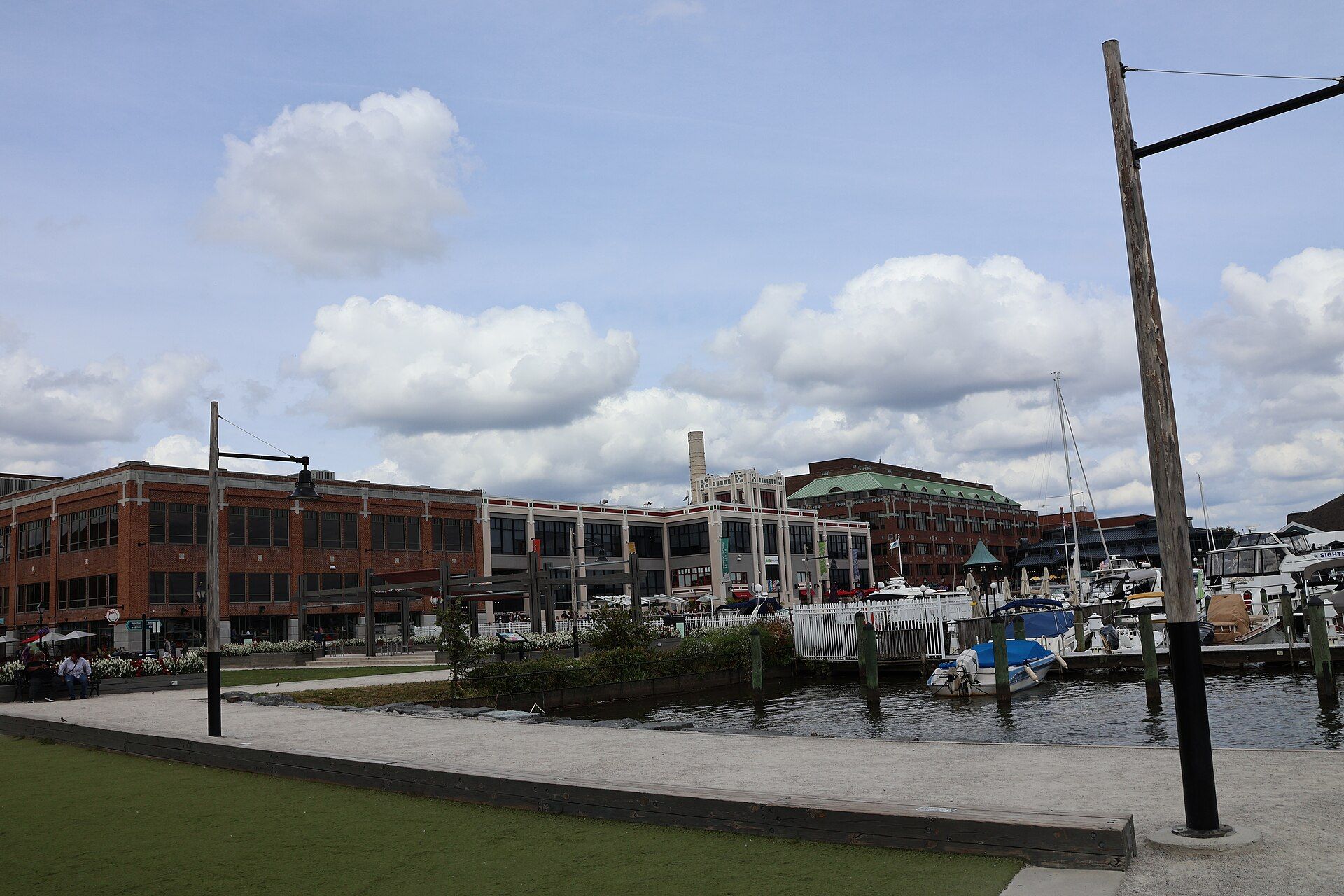
The waterfront offers parks, walking paths, restaurants, public spaces, and views across the river.
For residents, proximity to the water can become part of everyday life.
Waterfront residences
Certain properties near the Potomac offer river views, outdoor terraces, and access to waterfront amenities. Luxury condominiums and townhomes provide alternatives to historic detached residences.
The importance of location
Not every property described as waterfront or water-view offers the same experience. Some have direct river frontage. Others are separated from the water by public paths, streets, or neighboring buildings. Buyers should understand exactly what is included in the property and whether views may be affected by future development.
Flood exposure
Waterfront living requires additional due diligence. Alexandria experiences flood risks associated with tidal influences, heavy rainfall, and local drainage conditions. The city's flood mapping resources identify areas subject to flooding, and the applicable maps should be reviewed for every waterfront or low-lying property.
Insurance and maintenance
Buyers should investigate flood insurance requirements, previous water intrusion, drainage systems, building elevations, and the condition of waterfront infrastructure. A spectacular view should never replace a thorough understanding of the property's physical risks.
Dining, Shopping, and the Alexandria Lifestyle
Alexandria offers a vibrant dining and cultural scene.
Old Town's King Street corridor is especially recognizable for its restaurants, boutiques, galleries, and historic atmosphere.
The waterfront adds another dimension, with public spaces and dining destinations overlooking the Potomac.
Alexandria's lifestyle is especially appealing to buyers who value experiences, neighborhood businesses, and a sense of place.
Old Town dining
Restaurants range from casual neighborhood establishments to refined dining experiences. Historic buildings and intimate interiors contribute to the area's atmosphere.
Del Ray
Del Ray's Mount Vernon Avenue offers a more neighborhood-oriented experience, with cafés, restaurants, shops, and community gathering places.
Arts and culture
The Torpedo Factory Art Center is a recognizable waterfront cultural destination associated with working artists and galleries. Museums, historic sites, and local events provide additional opportunities to explore the city's heritage.
Shopping
Old Town offers independent retailers and specialty shops. For larger shopping destinations, residents can reach nearby Arlington, National Landing, and other Northern Virginia retail districts.
Transportation: Connected to Washington and Beyond
Alexandria's location provides access to Washington, Arlington, National Landing, and major regional transportation networks.
However, transportation convenience varies considerably between Old Town, Del Ray, the West End, and Fairfax County neighborhoods.
Metrorail
The City of Alexandria is served by multiple Metro stations, including King Street-Old Town, Braddock Road, Eisenhower Avenue, Van Dorn Street, and Potomac Yard-VT. Depending on the station, residents have access to the Blue or Yellow lines.
Rail travel
Alexandria Union Station provides Amtrak and Virginia Railway Express connections. For buyers who travel regularly along the East Coast or commute using regional rail, this can be an important advantage.
Driving
The George Washington Memorial Parkway, Interstate 395, Interstate 495, Route 1, and other major roads connect Alexandria to surrounding destinations. Traffic can be substantial, especially during commuting hours.
Air travel
Reagan National Airport is convenient to many parts of Alexandria. However, buyers should consider aircraft noise and flight patterns when evaluating properties.
Walking and cycling
Old Town and Del Ray offer relatively pedestrian-friendly environments in many locations. The Mount Vernon Trail provides a scenic regional connection for cyclists and pedestrians.
Schools: Understanding the Two Systems
Homes within the independent City of Alexandria are served by Alexandria City Public Schools.
Homes in Fairfax County with Alexandria mailing addresses are generally served by Fairfax County Public Schools.
These are separate school systems.
The important rule: Always confirm school assignments using the property's actual address and governing jurisdiction.
Alexandria City Public Schools
The city operates public schools serving its residential neighborhoods. Families should verify school assignments, educational programs, transportation, and applicable enrollment policies.
Fairfax County Public Schools
Properties in Belle Haven, Fort Hunt, Mount Vernon, and other Fairfax County communities may have different school assignments. A mailing address alone does not establish school eligibility.
Private education
Alexandria and the surrounding metropolitan region also offer private and independent educational options. Buyers should investigate admissions, transportation, tuition, and program suitability directly with the schools.
Parks, Trails, and Outdoor Living
Alexandria offers an appealing combination of urban parks, waterfront promenades, wooded recreation areas, and regional trails.
Alexandria's outdoor appeal is diverse. Residents can enjoy waterfront walks, regional cycling routes, historic landscapes, and wooded natural areas without leaving the broader community.
Founders Park
Located along the Old Town waterfront, Founders Park offers open green space, river views, and a peaceful setting within walking distance of historic residential streets. For nearby residents, the park can become a natural extension of their neighborhood.
Jones Point Park
Jones Point Park sits along the Potomac near the Woodrow Wilson Bridge. Its historic lighthouse, recreational facilities, and waterfront setting offer an interesting combination of history and outdoor activity.
Mount Vernon Trail
The Mount Vernon Trail connects Alexandria with destinations along the Potomac, including Arlington and George Washington's Mount Vernon. It is popular for cycling, running, and walking.
Cameron Run Regional Park
Cameron Run offers recreational facilities and seasonal attractions, providing a different experience from Alexandria's historic waterfront parks.
Huntley Meadows Park
Located in Fairfax County, Huntley Meadows is known for its wetlands, boardwalks, and wildlife viewing opportunities. Its natural setting offers a striking contrast to the urban atmosphere of Old Town.
George Washington's Mount Vernon
Mount Vernon combines historic preservation, landscaped grounds, and sweeping Potomac River views. For residents of southern Alexandria-area neighborhoods, it is an important nearby cultural and recreational destination.
Alexandria's Luxury Real Estate Market: What Defines Value?
Alexandria's luxury housing market is not defined by a single architectural style, price range, or property type.
Buyers often value characteristics that cannot easily be reproduced: historic architecture, exceptional location, waterfront views, privacy, and proximity to Washington.
Alexandria's most compelling properties often combine several attributes.
Historic luxury townhomes
Old Town's most distinctive properties can offer original architectural details, sophisticated renovations, private courtyards, and remarkable historic character. Buyers may find fireplaces, original woodwork, elegant staircases, and carefully restored interiors. However, historic charm should always be evaluated alongside structural condition and maintenance requirements.
Luxury waterfront condominiums
For buyers seeking convenience and modern amenities, Alexandria offers condominium residences near the Potomac. Certain buildings may provide concierge services, secure parking, fitness facilities, and private outdoor spaces. Views and amenities vary considerably.
Established luxury neighborhoods
Belle Haven, Seminary Hill, and other residential areas offer larger detached homes and more traditional suburban environments. Some properties feature mature landscaping, extensive renovations, and substantial architectural presence.
Custom construction
New luxury homes can be found in selected Alexandria neighborhoods and surrounding Fairfax County communities. These properties may offer modern layouts, sophisticated finishes, and contemporary building systems. But construction quality, lot configuration, and neighborhood context remain essential considerations.
What creates lasting appeal?
Location, design, access, outdoor space, condition, and neighborhood character all deserve consideration.
- A distinctive location or setting.
- Architectural quality and thoughtful design.
- Convenient access to amenities or transportation.
- Attractive outdoor spaces.
- Well-maintained systems and durable construction.
- A neighborhood with enduring residential appeal.
Property Taxes and the Financial Reality of Ownership
Alexandria's independent city status is an important factor in property taxation.
Homes within the City of Alexandria are subject to the city's real estate tax structure. Properties with Alexandria mailing addresses located in Fairfax County are subject to the applicable Fairfax County structure instead.
The City of Alexandria sets its real estate tax rate annually. Additional applicable taxes or charges may affect the final bill. Verify the current rate, assessment, and applicable charges for the specific address and jurisdiction.
The true cost of luxury ownership includes much more than the purchase price. Alexandria buyers should understand the property's ongoing financial obligations before making a commitment.
Historic-home maintenance
Older residences may require specialized repairs, including masonry restoration, roofing, windows, drainage improvements, and preservation-sensitive renovations. These costs can be significant.
Condominium fees
Luxury condominium owners should evaluate monthly assessments, reserve funding, building insurance, management quality, and anticipated capital improvements. A building's financial condition is an essential part of the ownership decision.
Waterfront insurance
Properties exposed to flood risk may require specialized insurance coverage and additional protective measures. Insurance requirements and premiums should be investigated before purchasing.
Estate ownership
Larger homes in Belle Haven, Mount Vernon, or other residential communities may involve extensive landscaping, tree care, exterior maintenance, and sophisticated mechanical systems.
Historic Preservation: The Beauty and Responsibility of Owning History
One of Alexandria's most appealing qualities is its architectural heritage.
But purchasing a historic residence can involve responsibilities that differ from those associated with a newer property.
Architectural review
The City of Alexandria has two locally regulated historic districts: Old and Historic Alexandria and Parker-Gray. Certain exterior changes and construction projects within these districts require review under the city's preservation process. Designated one-hundred-year-old buildings may also be subject to review. Verify the requirements for the specific address.
Renovation planning
Buyers considering substantial renovations should investigate permitted alterations before assuming that windows, doors, exterior materials, additions, or roof structures can be changed freely.
Historic building systems
Older homes may contain aging plumbing, electrical infrastructure, foundations, and structural elements. Even beautifully renovated residences deserve thorough inspections.
Specialized craftsmanship
Historic restoration may require contractors experienced with traditional masonry, woodwork, and preservation techniques. This can affect both cost and project timelines.
The reward
For buyers who appreciate architecture, the experience of owning a carefully preserved historic residence can be deeply rewarding. Original craftsmanship, architectural proportions, and centuries of neighborhood history create a character that new construction rarely reproduces.
Waterfront Property: Beauty, Risk, and Due Diligence
Waterfront property deserves its own discussion because the considerations extend beyond ordinary residential ownership.
Alexandria's Potomac setting is beautiful, but waterfront and low-lying properties may be exposed to tidal flooding, stormwater problems, and drainage challenges. The risk to any individual home must be evaluated separately.
The city's official flood resources and current FEMA mapping should be reviewed during the due-diligence process.
A beautiful waterfront residence can provide an extraordinary lifestyle. But its long-term value depends on understanding the physical and financial realities of the location.
What waterfront buyers should investigate
Review the property's flood exposure, insurance, elevation, structures, access, and maintenance obligations before purchasing.
- Flood history: Has the property experienced flooding, water intrusion, or drainage problems?
- Insurance: Is flood insurance required by the lender, and what coverage is available?
- Building elevation: How does the property's elevation compare with relevant flood-risk benchmarks?
- Waterfront structures: Are docks, seawalls, retaining walls, or shoreline improvements present, and who is responsible for maintaining them?
- Future development: Could nearby construction affect views, privacy, or drainage?
- Public access: Is the waterfront private, or do public walkways and easements affect the property?
- Maintenance: What specialized expenses should be anticipated over the next decade?
What People Might Not Love About Alexandria
Alexandria's compromises deserve consideration alongside its attractions.
For the right buyer, these trade-offs are worthwhile.
For someone seeking maximum privacy, minimal maintenance, or substantial acreage, another Northern Virginia community may be a better fit.
Historic homes can be expensive to maintain
Older building systems and specialized restoration requirements may create significant costs.
Parking can be difficult
Certain Old Town streets have limited parking, especially near restaurants, shops, and tourist destinations.
Flood risk affects some locations
Waterfront and low-lying properties require careful investigation.
Tourism brings activity
Old Town's popularity can mean pedestrian traffic, parking demand, and busy weekends.
Historic preservation limits flexibility
Some exterior alterations require approvals that can affect renovation plans.
Housing can be expensive
Ownership costs deserve careful review for historic properties, waterfront residences, and established luxury neighborhoods.
Traffic is a reality
Route 1, I-395, I-495, and surrounding corridors can experience heavy congestion.
Aircraft noise varies by location
Proximity to Reagan National Airport can affect certain neighborhoods.
Not all Alexandria addresses are in Alexandria City
The jurisdictional distinction can affect taxes, schools, and municipal services.
Outdoor space may be limited
Historic townhomes often offer smaller yards than suburban estates.
Redevelopment can alter surroundings
New residential and commercial projects may change views, traffic, and neighborhood activity.
Who Is Alexandria Right For?
Alexandria is especially compelling for buyers who appreciate history, architecture, cultural experiences, and a strong sense of neighborhood identity.
Its appeal extends across several very different lifestyles.
A buyer who enjoys restaurants, galleries, and waterfront walks may feel immediately at home in Old Town.
Someone seeking a quieter neighborhood with charming homes and local businesses may prefer Del Ray or Rosemont.
A household prioritizing larger lots, mature landscaping, and a more traditional residential environment may find Belle Haven, Seminary Hill, or the Mount Vernon area more appealing.
And buyers seeking sophisticated, lower-maintenance residences may be drawn to newer condominium communities near the waterfront.
Alexandria is particularly attractive to buyers who believe a home should offer more than beautiful interiors. It should connect them to a place with character, history, and experiences worth enjoying.
How Alexandria compares with other Northern Virginia communities
Alexandria offers historic architecture, waterfront living, cultural character, and diverse residential settings.
Arlington
Metropolitan convenience, Metro access, and established neighborhoods near Washington.
McLean
Substantial luxury homes, established residential communities, and access to Tysons.
Great Falls
Estate properties, acreage, privacy, and natural surroundings.
Vienna
Historic town identity, neighborhood traditions, and suburban convenience.
Falls Church
Compact community character, established neighborhoods, and regional accessibility.
Oakton
Wooded properties and a balance of privacy and suburban convenience.
Clifton
Historic village atmosphere and countryside-oriented living.
Leesburg
Historic downtown, luxury communities, and access to Loudoun's countryside.
The Alexandria Buyer's Checklist
Before purchasing an Alexandria property, evaluate its location, jurisdiction, physical condition, and ownership obligations.
Before you make an offer
Use this checklist to guide your property-specific review.
- Confirm whether the property is in Alexandria City or Fairfax County.
- Verify the correct public school system and address-specific assignments.
- Calculate property taxes using the actual jurisdiction and assessment.
- Investigate historic district status and architectural review requirements.
- Review prior renovations, permits, and structural alterations.
- Inspect foundations, masonry, roofing, plumbing, and electrical systems.
- Evaluate street parking, permits, and any private garage arrangements.
- Check flood maps, drainage conditions, and previous water intrusion.
- Obtain appropriate insurance estimates, including flood coverage if relevant.
- Test commuting routes during peak travel periods.
- Investigate aircraft, highway, nightlife, and construction noise.
- Review zoning, easements, setbacks, and renovation potential.
- For condominiums, inspect association reserves, fees, and special assessments.
- For waterfront properties, evaluate shoreline structures and access rights.
- Consider neighboring redevelopment and possible effects on views.
- Compare recent sales of genuinely similar properties.
- Estimate long-term maintenance and capital improvement expenses.
- Evaluate how the neighborhood fits your preferred daily lifestyle.
The Final Question
Could Alexandria Be Your Next Chapter?
There are places where luxury is measured in square footage. Others where it is measured in acreage, architectural grandeur, or exclusivity.
Alexandria offers another definition.
Luxury can be the ability to walk through a historic neighborhood that has retained its character for generations. It can be an intimate courtyard behind a beautifully restored townhouse. A waterfront terrace overlooking the Potomac. A quiet residential street framed by mature trees. Or a home that places Washington, cultural destinations, restaurants, and regional transportation within easy reach.
Alexandria offers all of these possibilities.
But the right property requires more than an appreciation for its beauty. It requires an understanding of the neighborhood, the jurisdiction, the architecture, the financial obligations, and the lifestyle that comes with ownership.
At The Shull Group, we believe exceptional real estate guidance is about discovering not just where you want to live, but how you want to live.
Discover Alexandria. Live exceptionally.
Historic elegance. Waterfront sophistication. Extraordinary homes.
KW Metro Center | Northern Virginia & the Washington Metropolitan Area
Photo credits via Wikimedia Commons. King Street in Old Town Alexandria: Ken Lund from Reno, Nevada, USA, CC BY-SA 2.0; Waterfront Park on the Potomac in Old Town: DiscoA340, CC BY-SA 4.0.