Great Falls: A Community Defined by Its Landscape
Great Falls is an unincorporated community in Fairfax County, located along the Potomac River northwest of Washington, D.C.
Unlike Vienna, it has no separate municipal government. Unlike downtown McLean, it does not have a substantial commercial district. And unlike some of Northern Virginia's newer luxury communities, its appeal is not primarily centered on planned amenities or high-density development.
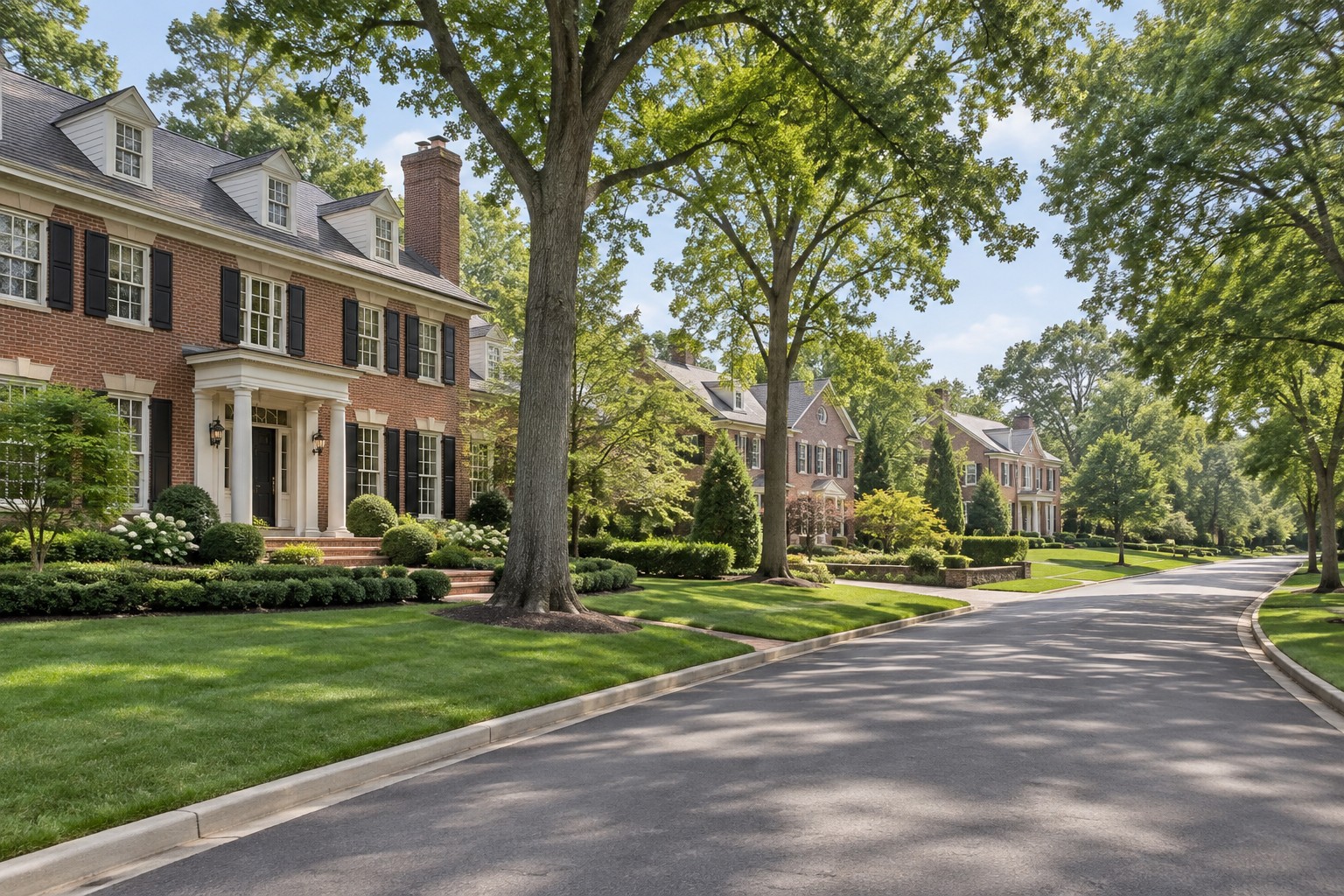
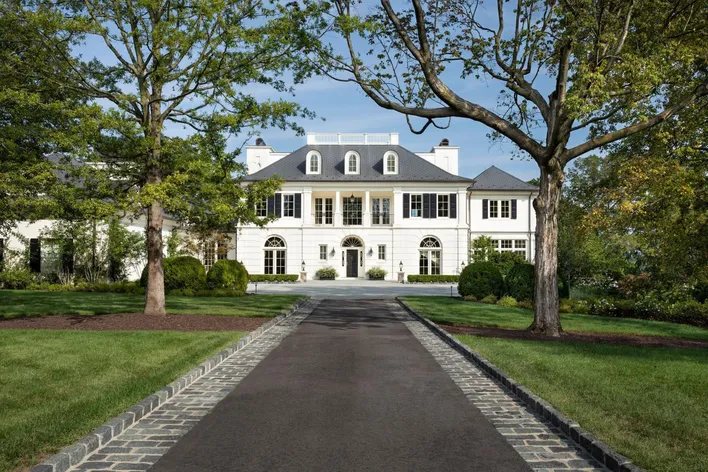
Great Falls is largely defined by its residential landscape. Wooded properties, winding roads, substantial homes, and a relatively low-density environment give much of the community its character.
Its location offers access to Tysons, Reston, McLean, and the greater Washington region, but its residential atmosphere is notably different from those more developed centers.
This is not a community built around convenience at every corner. It is a community where space, privacy, and the natural environment often take priority.
The History: The Potomac, the Canal, and the Community That Followed
Long before Great Falls became associated with luxury estates, the Potomac River shaped the region's history.
The area was inhabited and traveled by Indigenous peoples for thousands of years before European colonization. The river served as a source of food, a transportation corridor, and an important geographic feature.
During the late eighteenth century, George Washington championed improvements to Potomac River navigation.
The Patowmack Company, established in 1785, worked to create a navigable route around difficult sections of the river, including Great Falls.
Remnants of the historic canal system remain visible within Great Falls Park.
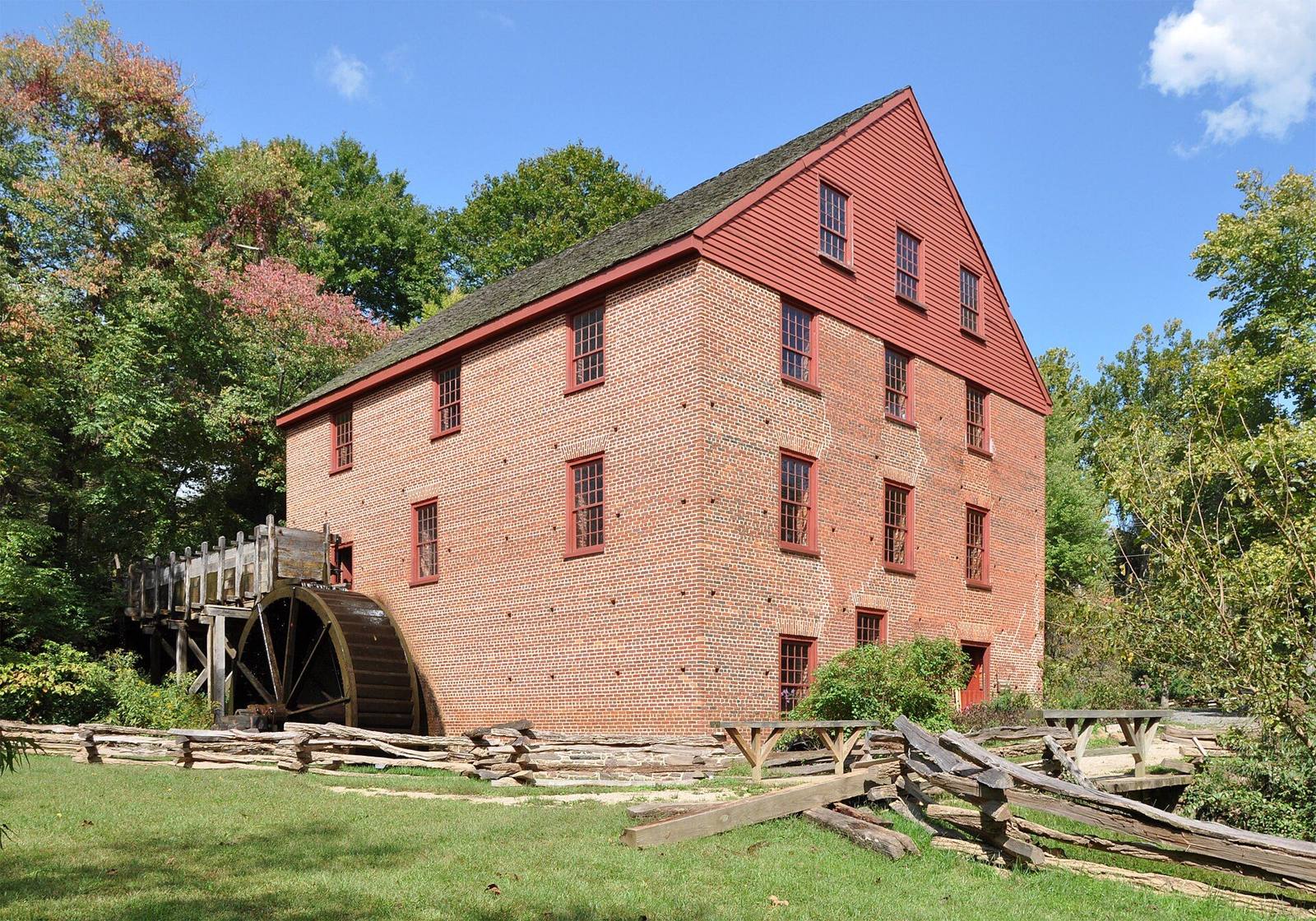
The broader area later developed through agriculture, milling, and small rural communities. Colvin Run Mill, built in the early nineteenth century, is a surviving reminder of that period.
As Washington expanded during the twentieth century, Great Falls gradually transitioned toward a residential community, attracting buyers seeking land and privacy within commuting distance of the capital.
Its rural heritage still influences its character today. Unlike communities built around a traditional downtown grid, Great Falls retains a landscape of winding roads, wooded parcels, and dispersed residential neighborhoods.
The Neighborhoods: Great Falls Is Not One Uniform Estate Community
One of the most important things prospective buyers should understand is that Great Falls contains several distinct residential environments.
Two homes with identical Great Falls addresses and similar prices may offer dramatically different levels of privacy, convenience, and ongoing responsibility.
Established wooded neighborhoods
Many homes are located within established subdivisions featuring mature trees, private yards, and relatively generous lots. These neighborhoods can offer a balance of privacy and community connection. However, lot sizes, architectural styles, road conditions, and homeowner association requirements vary.
Large private estates
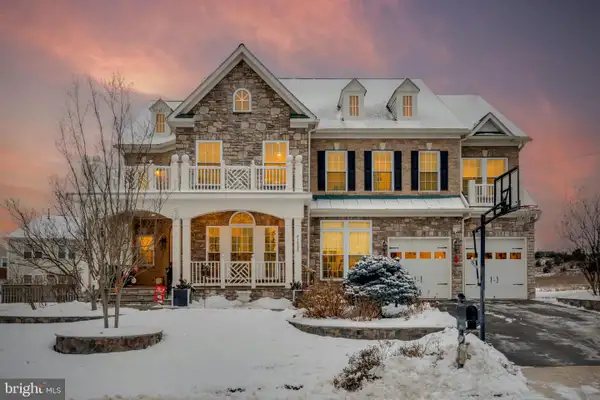
Other properties occupy several acres, sometimes with gated entrances, long driveways, swimming pools, guest accommodations, or extensive landscaping. These homes may offer exceptional privacy, but they can also require significant maintenance and specialized services.
Equestrian-oriented properties
Certain properties appeal to buyers interested in horses or a more rural lifestyle. But acreage alone does not guarantee that horses, barns, riding facilities, or other agricultural uses are permitted. Zoning, land conditions, access, and applicable regulations must be evaluated individually.
Georgetown Pike corridor
Properties along or near Georgetown Pike benefit from access to a historic route connecting Great Falls with McLean and surrounding communities. But road exposure matters. A home directly on a busy road may offer a very different experience from one tucked deep inside a quiet subdivision.
The Commute: A Beautiful Setting Doesn't Eliminate Traffic
Great Falls offers geographic proximity to several major employment centers. But proximity on a map does not always translate into an easy commute.
Much of the community relies on two-lane roads connecting residential neighborhoods with major transportation corridors.
Georgetown Pike, Walker Road, and other local routes can experience congestion, particularly during peak commuting periods.
Great Falls also does not have its own Metro station. For residents using Metrorail, driving to a nearby Silver Line station may be an option, depending on the property and destination.
Travel times to Reston, Tysons, McLean, Dulles International Airport, Arlington, and downtown Washington, D.C., can vary substantially. Verify the trip from the specific address during the hours you expect to travel.
A buyer commuting to Tysons may find Great Falls practical. Someone driving into downtown Washington every weekday may experience the location very differently.
Our advice: Before making an offer, drive the actual commute during the hours you would normally travel. A peaceful weekend showing cannot tell you what Monday morning will feel like.
Schools: The Address Matters More Than the Community Name
Great Falls-area homes are generally served by Fairfax County Public Schools.
Several local schools are associated with the community, including Great Falls Elementary School, Forestville Elementary School, and Langley High School.
However, school assignments depend on the exact property address, and not every home with a Great Falls mailing address necessarily follows the same school path.
School boundaries can change. Buyers should verify current and future assignments directly with Fairfax County Public Schools, particularly when a move is being planned around a specific school.
Families should also consider transportation times, extracurricular activities, specialized programs, and the practical logistics of school drop-offs and pickups.
In a community where homes may be located farther apart, those details can affect daily routines.
Everyday Life: What Does Living in Great Falls Actually Feel Like?
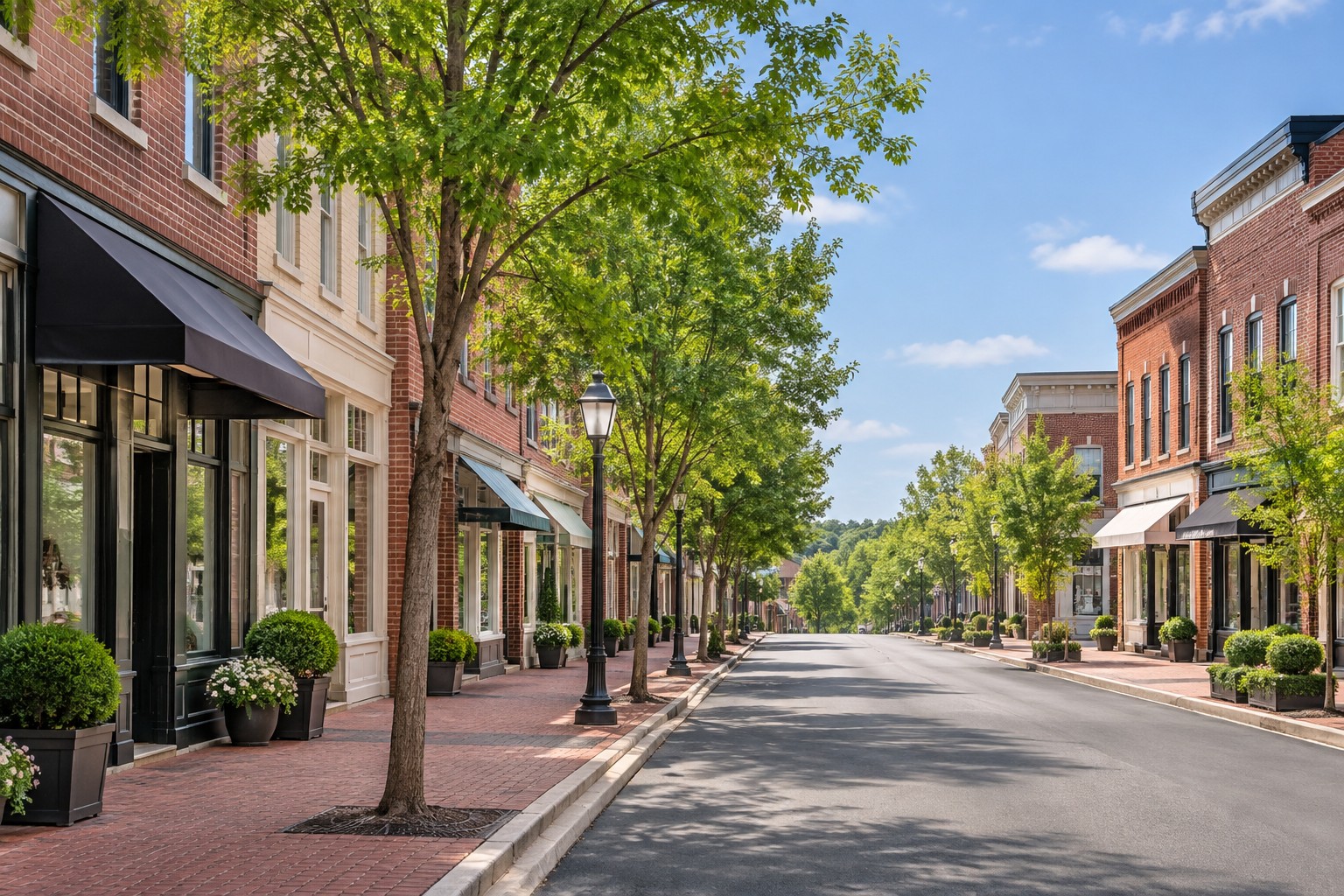
Great Falls has a small commercial center, with neighborhood businesses, restaurants, and services.
The Village Centre provides a recognizable gathering point, but it is not comparable in size or variety to downtown Bethesda, Tysons, or central Vienna.
For more extensive shopping, entertainment, specialty services, and dining, residents frequently travel to surrounding communities.
That can be a welcome trade-off for someone who values peace and privacy. For another buyer, it may become inconvenient.
Consider the ordinary routines that shape daily life. How far is the nearest grocery store? What about your preferred gym, pharmacy, physician, or coffee shop?
How often do you order food delivery? How convenient is it to arrange home services? Are you comfortable driving for most errands?
These may sound like small questions. But over the course of several years, they become an important part of the ownership experience.
Great Falls rewards buyers who enjoy being at home. It may be less appealing to someone who wants to step outside and immediately find a lively commercial district.
The Outdoors: One of Great Falls' Greatest Assets
Great Falls has an extraordinary natural setting.
The Potomac River, wooded stream valleys, and nearby parks offer opportunities for hiking, photography, birdwatching, and enjoying the outdoors.
The important distinction for buyers is that access varies by location. Living in Great Falls does not necessarily mean a park entrance is just around the corner.
And because Great Falls Park is a major regional attraction, weekends and holidays can bring substantial visitor traffic.
Great Falls Park
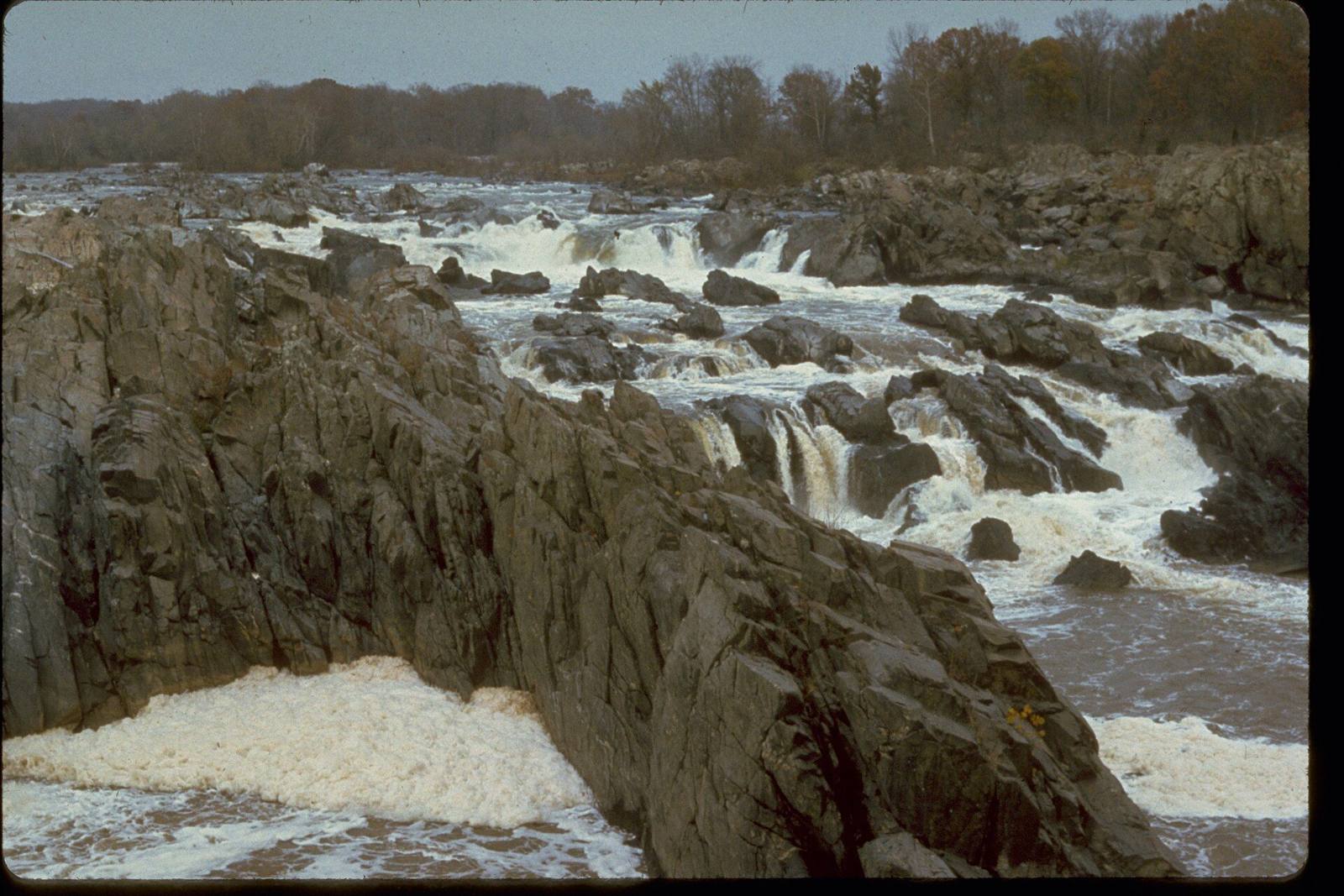
Part of the George Washington Memorial Parkway, Great Falls Park is known for its dramatic views of the Potomac River as it passes through a rugged, rocky gorge. The overlooks offer memorable Northern Virginia scenery.
Riverbend Park
Riverbend Park provides access to wooded trails, river scenery, and outdoor educational programs. It offers a different experience from the dramatic overlooks at Great Falls Park, with a quieter emphasis on the river corridor and surrounding natural environment.
Colvin Run Mill
Colvin Run Mill Historic Site preserves a nineteenth-century gristmill and provides an opportunity to explore the region's agricultural and industrial history.
The Financial Reality of Owning a Great Falls Estate
Great Falls offers homes at a wide range of prices, from established residential properties to substantial custom estates.
For luxury buyers, the purchase price is only one component of the financial picture.
Large properties can carry expenses that are easy to underestimate. These may include extensive landscaping, tree maintenance, long driveways, swimming pools, irrigation systems, fencing, security, outdoor lighting, and specialized mechanical systems.
Older estates may also have substantial capital improvement needs.
Property taxes
Great Falls is within Fairfax County. Additional levies and fees may apply to county property taxes. Verify the actual rate and tax bill with Fairfax County for the specific address and applicable tax year.
The cost of maintaining the grounds
An expansive property can require ongoing attention to trees, drainage, mowing, gardens, pest management, and outdoor structures. Even homes designed to look natural and low-maintenance may require professional care. The relevant question isn't simply whether you can afford the property. It's whether the total ownership costs make sense for your lifestyle.
Wells and Septic Systems: An Essential Conversation
This is one of the most important differences between purchasing certain Great Falls properties and buying in more densely developed suburban communities.
Some homes rely on private wells for water and onsite septic systems for wastewater. Others have different utility arrangements.
Never assume the type of infrastructure based on the appearance or age of the home.
For properties with private wells, buyers should investigate water quality, production capacity, equipment condition, treatment systems, and maintenance history.
For septic systems, buyers should examine permits, inspections, pumping records, system condition, approved capacity, and the location of any required reserve area.
Why septic capacity matters
A home may have enough interior space to accommodate additional bedrooms, but its approved septic capacity may limit certain expansions. A buyer planning a guesthouse, major addition, or extensive renovation should investigate those limitations before committing to the property.
Internet and cellular service
Reliable connectivity is another consideration. Coverage can vary by address, terrain, and provider. For someone working remotely, conducting video meetings, or operating a home-based business, testing actual service at the property is essential.
The Land: What You See Isn't Always What You Can Use
Large lots are one of Great Falls' primary attractions. But a property's total acreage and its usable acreage are not necessarily the same.
Depending on the site, development and improvements may be affected by steep slopes, streams, floodplains, resource protection areas, easements, drainage patterns, and other land-use restrictions.
A wooded ravine may provide extraordinary privacy while also limiting where structures can be built. A beautiful creek may introduce environmental requirements. And a seemingly ideal location for a swimming pool or guesthouse may not be feasible.
Buyers considering substantial improvements should review surveys, zoning information, utility locations, environmental conditions, and any relevant permitting requirements.
Where appropriate, they should involve qualified land-use professionals, engineers, and inspectors.
The objective is to understand the property as it actually exists, not simply as it appears in listing photographs.
Building or Renovating a Luxury Estate
Great Falls can be attractive to buyers who want to build a custom residence or transform an existing property.
The combination of substantial parcels and established residential settings can create compelling opportunities. But a large lot does not automatically mean unrestricted development potential.
Before purchasing land or an older home for redevelopment, investigate zoning, setbacks, lot coverage, building height, easements, stormwater requirements, utility capacity, and any relevant environmental limitations.
For major renovations, buyers should also consider the age and condition of existing systems, structural constraints, permit history, and the practical costs of bringing the property up to current expectations.
What about neighboring construction?
Even in established neighborhoods, nearby homes may eventually undergo substantial renovation or replacement. A buyer seeking a particularly quiet environment should investigate adjacent properties and the potential for future development. Privacy today does not always guarantee the same surroundings ten years from now.
What People Might Not Love About Great Falls
These considerations don't make Great Falls less desirable. They simply make it more important to understand what you're buying.
It's highly car-dependent
Most residents need a vehicle for everyday errands and activities.
Commuting can be unpredictable
Two-lane roads and peak-hour congestion may make some journeys more time-consuming than expected.
Large properties require maintenance
Landscaping, tree care, driveway repairs, and specialized systems can create substantial ongoing costs.
Local shopping and dining are limited
Buyers accustomed to a lively downtown may find the commercial environment too quiet.
Privacy can become isolation
Some buyers love the separation between homes. Others eventually miss spontaneous neighborhood interaction.
Not every acre is usable
Topography, environmental restrictions, and utility requirements may limit improvements.
Older estates may need significant investment
A grand property can have expensive infrastructure, drainage, or renovation issues.
The purchase price doesn't guarantee convenience
A remarkable estate may still be far from the activities that matter most to you.
Who Is Great Falls Right For?
Great Falls may be an excellent fit for buyers who prioritize land, privacy, mature landscaping, and a quieter residential setting.
It can appeal to people who enjoy spending time at home, entertaining on their property, gardening, outdoor recreation, or living in a more secluded environment.
It may be less suitable for buyers who need immediate access to Metro, walkable restaurants and shops, minimal property maintenance, or consistently short commuting times.
The right choice depends on how you actually want to live.
The Great Falls Buyer's Checklist
Before you make an offer:
- Drive your actual commute during peak hours.
- Visit the property during the day, at night, and on weekends.
- Confirm school assignments for the exact address.
- Review county property taxes and applicable levies.
- Verify HOA rules, covenants, and easements.
- Identify whether the home uses well, septic, or public utilities.
- Inspect well and septic systems where applicable.
- Test internet and cellular service at the property.
- Review floodplain, slopes, streams, and drainage.
- Confirm zoning and permitted future improvements.
- Evaluate trees, landscaping, driveway, and exterior maintenance.
- Investigate neighboring development potential.
- Review permits and major renovation history.
- Compare recent sales of similar estate properties.
The Final Question
Do You Want the Estate or the Life That Comes With It?
Great Falls can offer a rare combination of natural beauty, residential privacy, and access to the greater Washington region.
But the most meaningful luxury here isn't necessarily the size of the home, the acreage, or the architecture. It's the experience of living somewhere that feels right.
For one buyer, that means quiet mornings overlooking a wooded backyard, room to entertain, and the freedom to enjoy a substantial private property.
For another, it may mean too much driving, too much maintenance, or too much distance from everyday conveniences.
Neither perspective is wrong. The important thing is knowing the difference before you buy.
At The Shull Group, we believe exceptional real estate guidance means understanding the lifestyle behind the property, not simply the price or the address.
THE SHULL GROUP
Discover the extraordinary side of Northern Virginia.
Thoughtful guidance. Local expertise. Exceptional homes.
Photo credits via Wikimedia Commons. The Potomac River at Great Falls Park: National Park Service, Public domain; Colvin Run Mill: Joe Ravi, CC BY-SA 3.0.