First, Understand What Clifton Actually Is
Here's something many prospective buyers don't realize: a Clifton mailing address doesn't necessarily mean you're living inside the Town of Clifton.
The incorporated town is compact. The surrounding Clifton area encompasses a much broader landscape of residential neighborhoods, wooded properties, larger lots, and country estates.
That distinction matters because the two settings can offer very different ownership experiences.
A home outside the village may offer an entirely different lifestyle from one directly on Main Street.
Before purchasing, establish whether the property is within incorporated Clifton, elsewhere in Fairfax County, or simply uses Clifton as its postal address. This can affect taxes, zoning, utilities, and renovation requirements.
Inside Historic Clifton
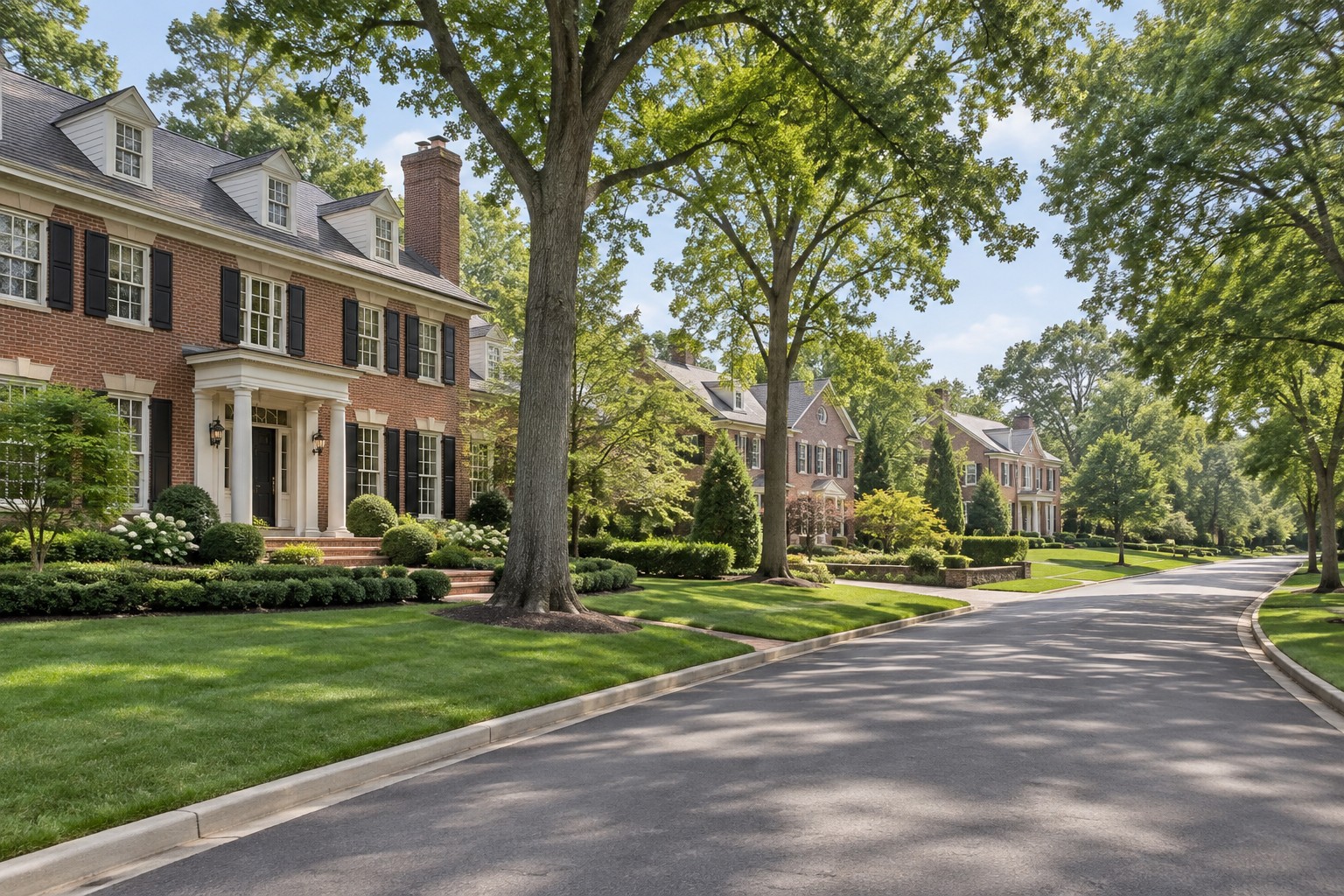
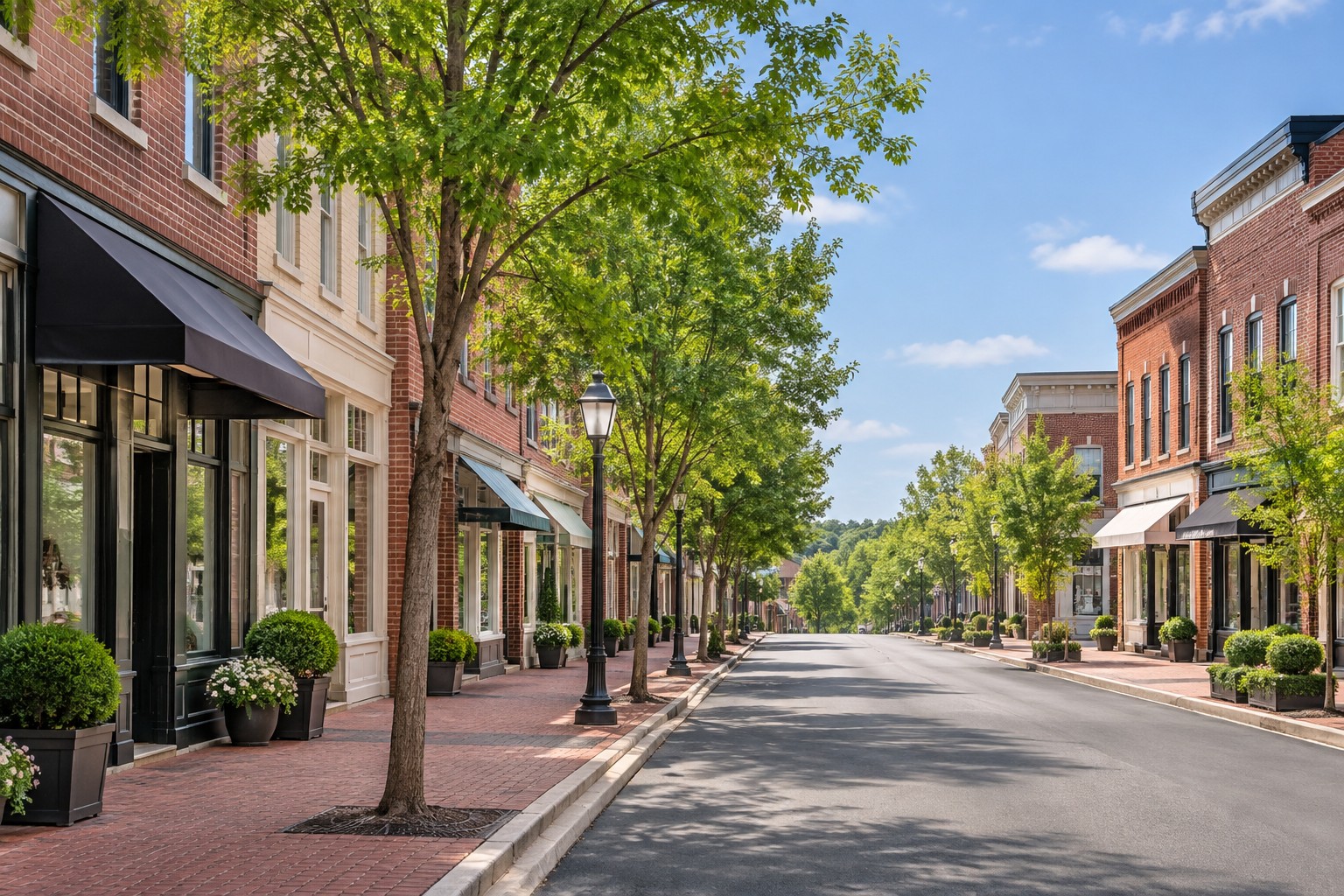
Expect older architecture, smaller-town streets, historic preservation considerations, a compact village center, and a limited supply of homes.
Outside the Town Limits
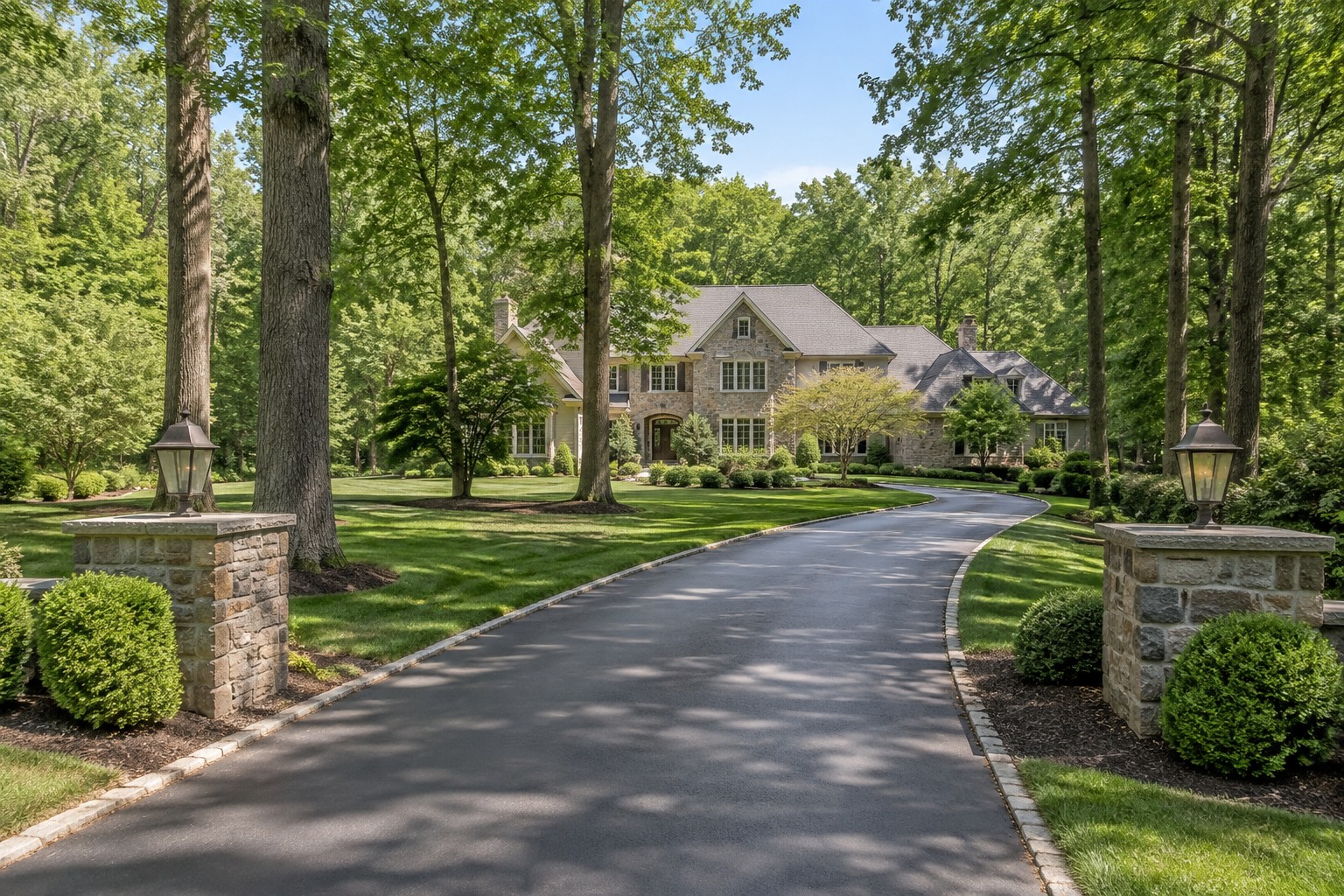
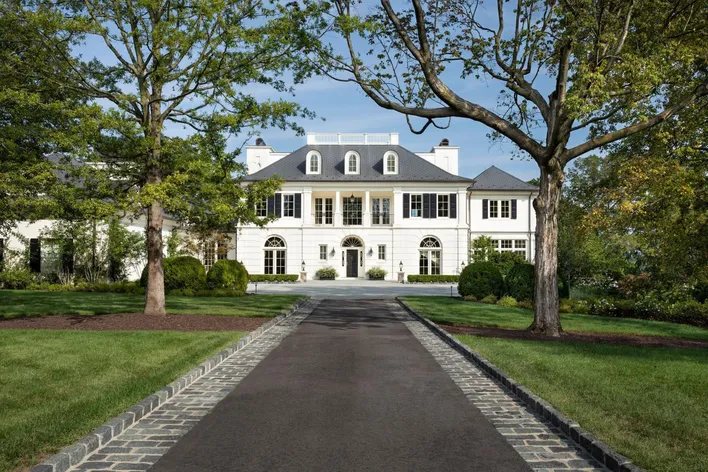
You may find newer custom homes, equestrian properties, substantial acreage, private driveways, and neighborhoods with their own homeowners association rules.
Clifton's History: Why This Place Looks and Feels Different
Clifton isn't a modern development designed to look historic. Its history is the reason the community exists.
The area was inhabited by Indigenous peoples long before European settlement. By the eighteenth century, European settlers had established farms in the surrounding landscape.
The railroad transformed the area in the nineteenth century. During the Civil War, the settlement was known as Devereux Station, a strategically important location along the Orange and Alexandria Railroad.
After the war, Harrison G. Otis helped develop the community around the railroad. The settlement became known as Clifton Station, and Clifton was incorporated as a town in 1902.
By the late nineteenth century, Clifton had also developed a reputation as a retreat for Washington residents seeking an escape from the city.
Today, much of that architectural character survives. The Clifton Historic District was listed on the Virginia Landmarks Register and the National Register of Historic Places in 1985.
Why should a buyer care?
Because historic preservation isn't just an aesthetic benefit. It can influence what you may alter, demolish, construct, or expand.
The Town of Clifton has an Architectural Review Board and local historic preservation requirements. A historic-register designation alone does not automatically prohibit renovations, but applicable local ordinances can impose controls.
If you're dreaming of purchasing a century-old home and completely reinventing it, investigate those rules before making an offer.
The Commute: Beautiful Scenery Doesn't Eliminate Traffic
This is one of the most important considerations for anyone relocating to Clifton.
The surrounding roads can be scenic, winding, and heavily wooded. They're also part of a regional transportation network used by commuters.
Clifton Road, Chapel Road, Newman Road, and nearby connecting routes can experience congestion, particularly during peak travel periods.
In fact, Clifton's own planning documents identify rush-hour cut-through traffic as a longstanding concern. The railroad crossing through town can also interrupt vehicle traffic.
Actual travel times depend on the exact home, destination, departure time, and incidents. If you expect to travel into Tysons, Arlington, or Washington several days a week, test the drive during your actual commuting hours before committing to a home.
Extra time spent commuting adds up. That's time you don't get back.
What About Public Transportation?
Clifton has railroad tracks running through town, but it does not have its own operating VRE passenger station. Nearby VRE options include Burke Centre and Rolling Road on the Manassas Line, which provides service toward Alexandria and Washington. You'll generally need to drive to a station and account for parking, train schedules, and the final connection to your workplace.
Schools: Don't Buy Based on a School Name Alone
Clifton-area homes are served by Fairfax County Public Schools, but school assignments must be verified for the individual property.
A Clifton address does not guarantee attendance at a particular elementary, middle, or high school.
School boundaries can change. The district's official boundary tool provides address-specific assignments, although families should also review any approved changes that have not yet been reflected in the system.
Before buying, investigate the assigned schools, transportation arrangements, available academic programs, extracurricular offerings, and whether an upcoming boundary change affects the address.
Useful resource: Fairfax County Public Schools Boundary Locator.
Everyday Life: Where Do You Actually Go?
Clifton's village center offers restaurants, local shops, and historic character, but it isn't a large commercial center.
You'll generally rely on surrounding communities such as Centreville, Fairfax, Burke, and nearby commercial corridors for broader shopping, medical services, and everyday errands.
That means thinking about more than how close the nearest grocery store appears on a map.
Consider your actual routine.
How far is your preferred supermarket? Is the pharmacy on the way home? How long does it take to reach your doctor's office? Can you pick up dinner without adding a substantial detour to your evening?
And if you have a large property, where will you find reliable landscapers, contractors, and specialized maintenance services?
Dining and Recreation
Clifton offers a more intimate dining experience than a densely developed suburb. The historic village and surrounding area include restaurants and local destinations, while Paradise Springs Winery is a recognized nearby attraction. The surrounding area is also particularly appealing to people who enjoy outdoor recreation.
Hemlock Overlook Regional Park
Wooded hiking and equestrian trails, mature forest, and access to the Bull Run landscape. Park trails are generally open from dawn to dusk.
Nearby Outdoor Opportunities
Nearby outdoor opportunities also include the Bull Run Occoquan Trail corridor and additional regional parks. But here's the distinction: living near outdoor recreation doesn't automatically mean you can walk to it from your home. Many Clifton-area properties remain car-dependent.
What Does It Really Cost to Own a Home in Clifton?
A property's purchase price is only part of its financial picture.
Clifton's housing options range from historic village residences to custom-built homes, substantial wooded properties, and estates on acreage.
That variety makes broad market averages potentially misleading. A small historic property and a modern estate on acreage shouldn't be treated as interchangeable simply because they share a ZIP code.
A beautiful property with acreage may offer an extraordinary lifestyle. It also creates a different set of responsibilities than a smaller suburban lot.
Property Taxes
Fairfax County sets the real estate tax rate annually; additional levies and property-specific charges may apply. The Town of Clifton states that it currently levies no separate town real estate or personal property tax. Confirm current requirements, the parcel's actual tax district, and its assessment before purchasing.
Costs Buyers Frequently Underestimate
Look beyond the purchase price and account for the property's ongoing maintenance and infrastructure needs.
- Tree maintenance and removal on wooded lots.
- Long driveways, grading, drainage, and snow removal.
- Lawn care, landscaping, fencing, and outbuilding upkeep.
- Private well and septic inspections, servicing, and potential replacement.
- Historic home maintenance, including specialized materials and workmanship.
- Higher heating and cooling costs in larger or older homes.
- Insurance considerations for older structures, wooded properties, and flood exposure.
Wells, Septic Systems, and Other Property-Level Surprises
This deserves special attention in Clifton.
Not every home has the same utility infrastructure. Depending on the property, buyers may encounter private wells, septic systems, alternative wastewater systems, or public utility connections.
Fairfax County regulates private wells and onsite sewage systems, and its Health Department provides inspection and evaluation services.
Before purchasing, verify the items below. Don't assume that a property can support an additional bedroom, guesthouse, pool house, or major expansion just because the land appears large enough.
The ground beneath a property can matter as much as the home sitting on it.
- The property's water source and wastewater disposal system.
- Septic design capacity, age, permits, maintenance records, and repair history.
- Well-water quality, flow, and equipment condition, if applicable.
- Whether the site has suitable space for future septic repairs or replacement.
- Actual internet provider availability and service speed at the address.
- Cell reception throughout the house and property.
- Drainage, easements, and any restrictions affecting future construction.
Flooding, Trees, Wildlife, and Rural Road Conditions
Clifton's natural surroundings are a major part of its appeal. They also introduce practical considerations.
Popes Head Creek runs through the historic town, and the town's planning documents identify floodplain areas associated with the creek. Restrictions can apply to development within designated floodplain areas.
For any home under consideration, examine the current FEMA flood map, property drainage, prior water intrusion, and insurance requirements.
The area's wooded roads also mean drivers should be prepared for wildlife, limited visibility around some curves, fallen branches, and potentially difficult conditions during winter weather.
A private road or long driveway may involve maintenance obligations that differ from those of a county-maintained public street.
These aren't necessarily reasons to avoid Clifton. They're reasons to understand the property and its surroundings before purchasing.
Historic Home or Custom Estate? Two Very Different Experiences
If you're considering building a custom home, the property's development potential needs to be established before you buy.
That includes zoning, permitted uses, setbacks, access, utility capacity, stormwater requirements, environmental constraints, and construction feasibility.
A large parcel isn't automatically a buildable parcel.
And a beautiful piece of land isn't necessarily a financially sensible place to construct the home you envision.
For clients considering land acquisition or a custom estate, The Shull Group can help coordinate the real estate side of that process while working alongside the appropriate builders, engineers, inspectors, and land-use professionals.
Historic Village Living
Architecture, walkable village destinations for some addresses, smaller-town surroundings, and preservation considerations.
Estate and Acreage Living
Greater separation between homes, possible outbuildings and outdoor amenities, and more extensive land maintenance.
The Things People May Not Love About Clifton
Let's address the trade-offs without dressing them up.
Clifton's small-town setting can be wonderful. But don't confuse a peaceful-looking property with a lifestyle that requires no compromises.
It's Car-Dependent
Outside the compact village, routine errands generally require driving.
Commuting Can Be Tiring
Scenic roads don't guarantee a quick trip, particularly when traffic converges on limited routes.
Older Homes May Demand More Attention
Historic character can come with maintenance expenses and renovation limitations.
Acreage Requires Work
Privacy, mature trees, fencing, landscaping, and long driveways all create ongoing responsibilities.
Some Properties Have Complicated Infrastructure
Wells, septic systems, drainage, and utility availability deserve serious investigation.
You May Have Fewer Nearby Conveniences
Buyers accustomed to dense restaurant districts, walkable shopping, or immediate access to major highways may find the lifestyle less convenient.
The Village Isn't Always as Quiet as Its Photographs Suggest
Visitor activity, community events, commuter traffic, and train movements can affect the experience, especially close to Main Street.
What About Community Life?
One of Clifton's distinguishing characteristics is its community identity.
The town hosts and supports longstanding traditions, including Clifton Day, seasonal celebrations, and community gatherings. The Clifton Betterment Association helps organize events and preserve the town's distinctive character.
Clifton Day, in particular, can bring substantial visitor activity into a very small town.
That may be part of what attracts you here. But if you're considering a property near the village center, it's worth visiting during a major event and during an ordinary weekday to understand the difference.
Community involvement can be a meaningful part of living here, but the experience will vary considerably between a home in the village and a secluded estate farther away.
Is Clifton the Right Place for You?
The Clifton Lifestyle Reality Check
Consider what matters to you. This is a lifestyle screening tool, not a property recommendation.
- I value privacy, greenery, or land more than immediate shopping convenience.
- I'm comfortable relying on a car for most daily activities.
- I can accommodate an unpredictable commute or work remotely.
- I'm prepared for maintenance costs associated with older homes or acreage.
- I enjoy a quieter residential setting more than an active urban environment.
- I need to be able to walk to groceries, transit, and everyday services.
- A predictable, short commute is one of my highest priorities.
Before You Make an Offer: The Clifton Buyer Checklist
A serious relocation decision deserves more than a few weekend showings.
Your relocation due-diligence checklist:
- Drive the actual commute during the hours you'll use it.
- Visit the neighborhood during the day, after dark, and on a weekend.
- Confirm whether the property is inside the incorporated town.
- Verify school assignments for the specific address.
- Review property taxes, HOA obligations, and maintenance expenses.
- Investigate well, septic, water, and utility infrastructure.
- Check internet service and cell coverage at the house.
- Review floodplain, drainage, and easement information.
- Investigate zoning, historic preservation rules, and expansion potential.
- Confirm who maintains the road and driveway.
- Review insurance costs and property-specific risks.
- Understand nearby development plans and any recorded restrictions.
The Final Question
Can You See Yourself Living Here?
Clifton isn't trying to be Tysons, Arlington, or downtown Fairfax.
Its appeal lies in what it has retained: historic character, established landscapes, lower-density surroundings, and opportunities for privacy that can be harder to find closer to Washington.
But a beautiful location isn't automatically the right location.
The right place to live is the one that supports the life you actually lead, not simply the one that looks most impressive in photographs.
Before you fall in love with a Clifton property, understand what your mornings, evenings, weekends, and ordinary Tuesdays will look like.
Because the goal isn't just to find a house you'll love showing your friends.
It's to find a place you'll still love living in five years from now.
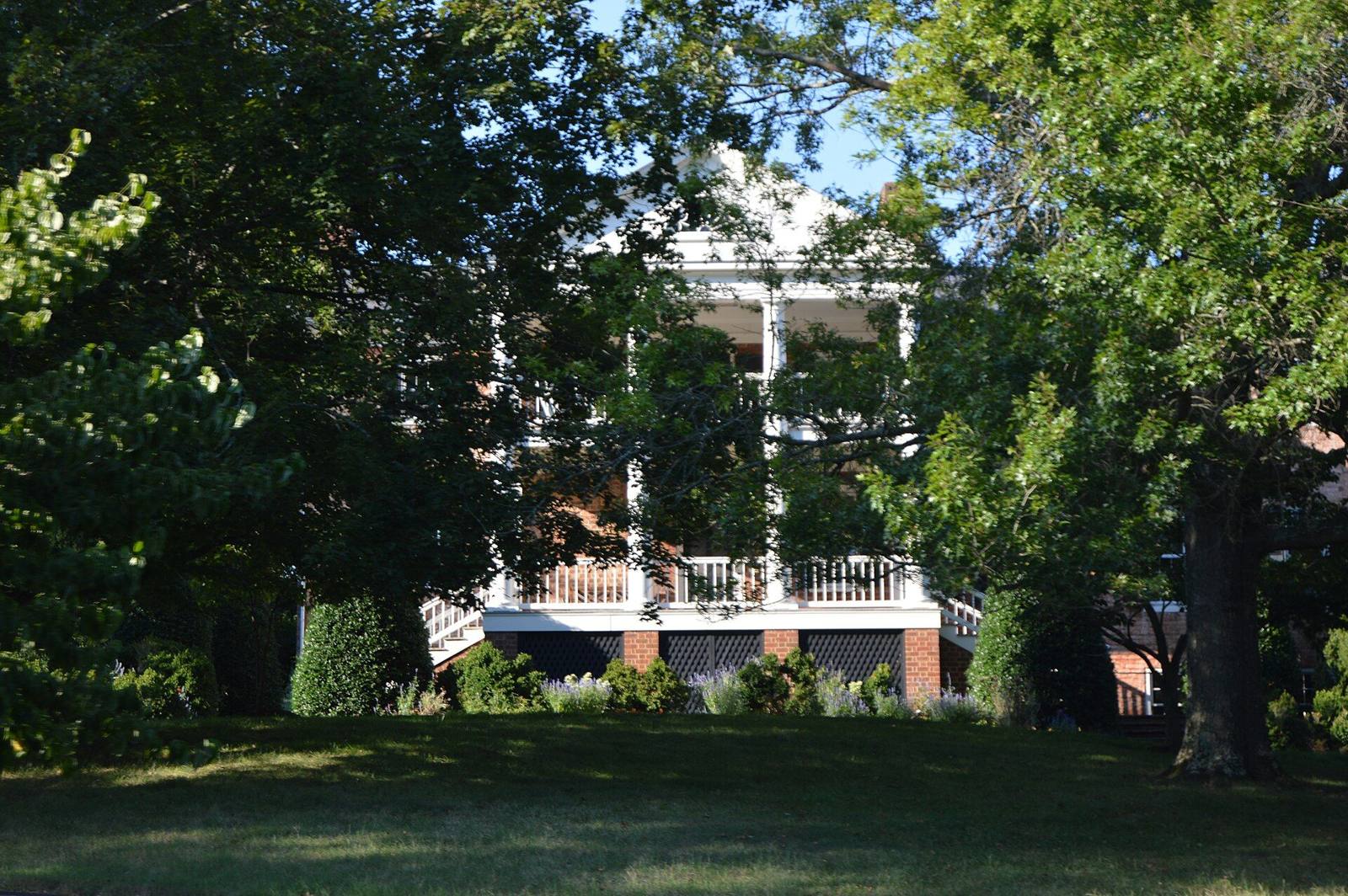
Photo credits via Wikimedia Commons. A historic home on Old Buena Vista Road in Clifton: Nyttend, Public domain.