A Community With Deep Virginia Roots
Falls Church takes its name from the historic church that became a landmark along an important colonial transportation route.
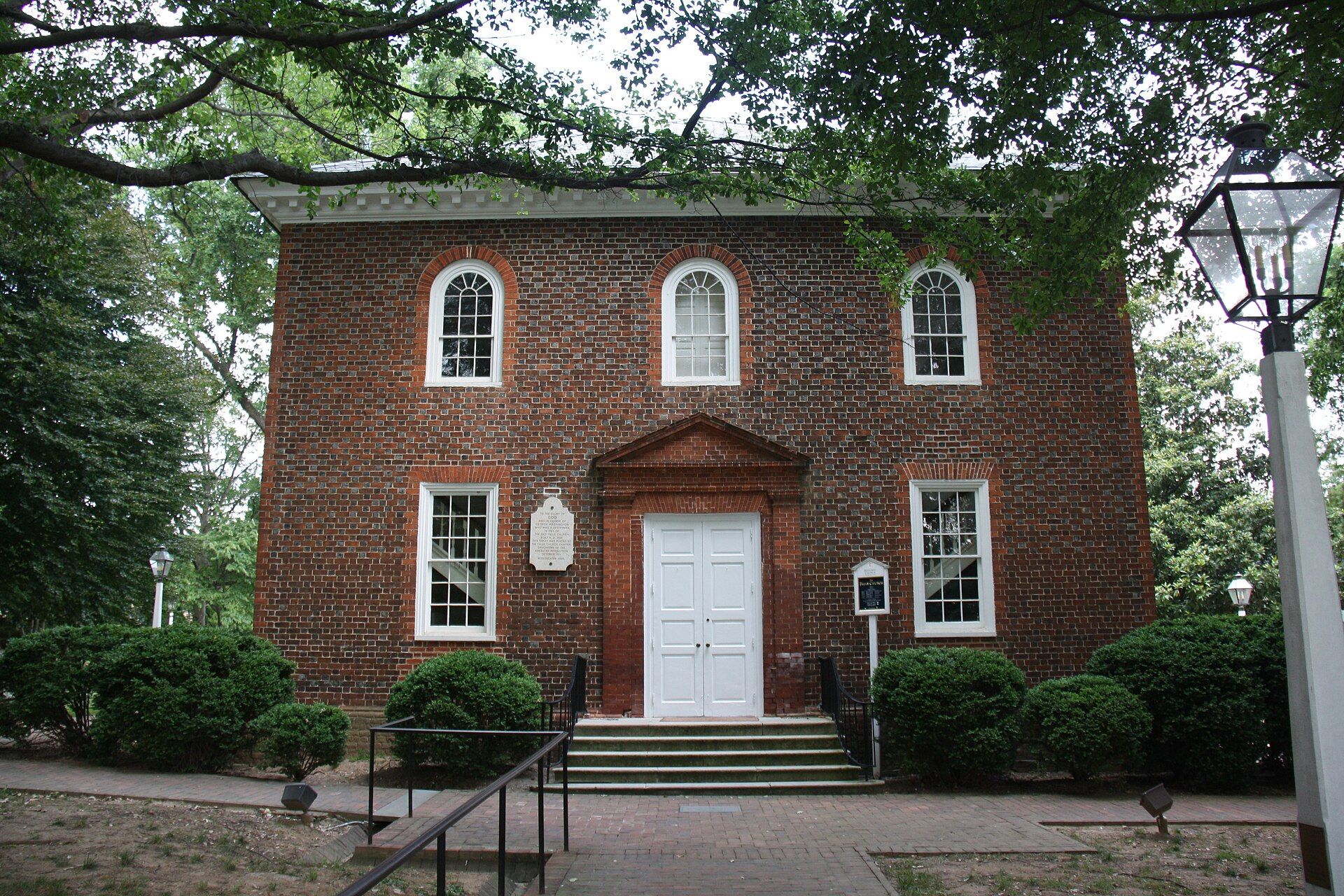
The original church congregation dates to the eighteenth century, and the present historic church building was completed in the 1760s.
As Northern Virginia developed, the surrounding settlement grew into a small community connected to Washington and nearby agricultural areas.
Falls Church became an incorporated town in 1875 and an independent city in 1948.
Its history includes significant African American community leadership and civil rights activism. Tinner Hill, for example, is associated with early twentieth-century efforts to oppose segregation and protect the rights of Black residents.
These histories remain an important part of the city's identity.
Today, Falls Church retains elements of its older village character while continuing to evolve through residential redevelopment, new businesses, and mixed-use construction.
The result is a community that feels established rather than manufactured.
The Most Important Distinction: Falls Church City vs. Falls Church Mailing Address
For buyers relocating to Falls Church, the distinction between the independent city and a Falls Church mailing address matters.
The independent City of Falls Church is separate from Fairfax County and Arlington County. However, many homes with Falls Church mailing addresses are actually located in Fairfax County. Some addresses may also fall within other nearby jurisdictions.
That distinction can affect taxes, public schools, local government services, zoning, and ownership costs.
For example, a home near downtown Falls Church may be located within the independent city. Another home a short drive away, with the same Falls Church mailing designation, may be part of Fairfax County.
These properties should not be treated as interchangeable. Before evaluating schools, taxes, or municipal services, confirm the property's actual jurisdiction.
City of Falls Church
The independent city has its own government, Falls Church City Public Schools, city real estate tax rate, zoning, and services. It offers a compact historic urban community.
Falls Church addresses in Fairfax County
These properties fall under Fairfax County government, Fairfax County Public Schools, county real estate taxes, and county zoning and services. They include a wider variety of suburban neighborhoods.
The Neighborhoods: Historic Character Meets Modern Luxury
Falls Church offers a broad variety of residential environments under one recognizable community name.
Historic residential neighborhoods within Falls Church City
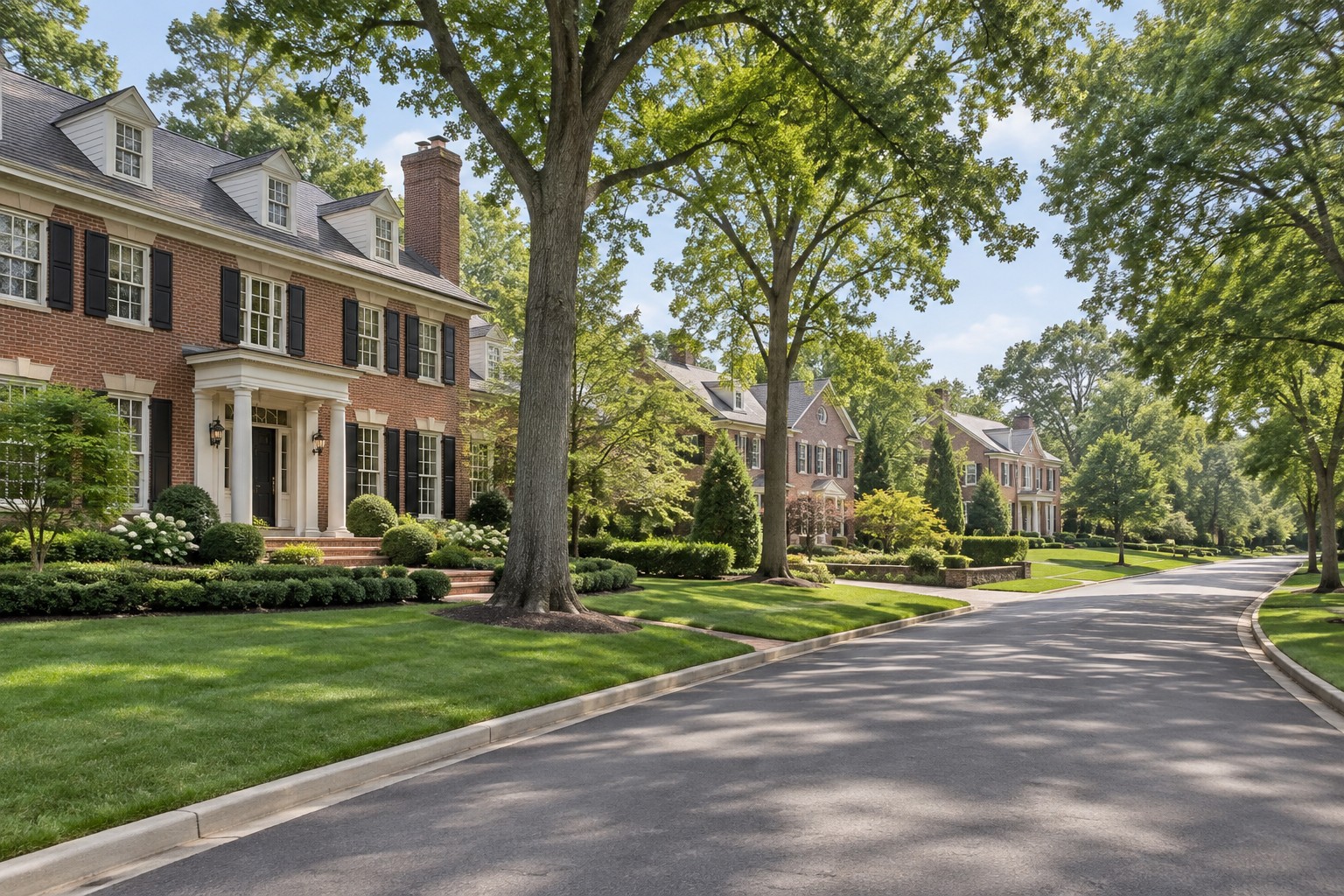
The independent city includes established neighborhoods with older homes, mature trees, sidewalks, and proximity to local businesses. Architectural styles range from Craftsman bungalows and traditional colonials to renovated historic residences and custom new construction. For buyers who value neighborhood character and walkability, these streets can be particularly attractive.
Broadmont
Broadmont is an established residential neighborhood within Falls Church City, known for its mature landscaping, traditional homes, and proximity to the East Falls Church area. The neighborhood can appeal to buyers seeking a quiet residential setting while remaining connected to nearby transportation and amenities. Individual lot characteristics, architecture, and walkability vary.
Virginia Forest and surrounding city neighborhoods
Falls Church City's established residential areas include a mix of traditional homes and newer construction. Buyers may find charming older properties, extensively renovated residences, and larger custom homes replacing earlier structures. The combination creates an evolving streetscape where location and lot quality can be particularly important.
Lake Barcroft
Lake Barcroft offers a distinctive residential setting associated with a Falls Church mailing address. Located in Fairfax County rather than the independent city, it surrounds a private lake and includes waterfront homes, wooded properties, and established neighborhoods. The lake-oriented lifestyle can feel remarkably different from downtown Falls Church. Buyers should review lake access rights, association obligations, waterfront conditions, and applicable restrictions.
Sleepy Hollow
Sleepy Hollow and surrounding neighborhoods offer wooded residential settings, traditional homes, and substantial properties. Certain areas feature custom luxury residences and larger lots. For buyers seeking a quieter suburban environment while retaining access to major transportation corridors, these neighborhoods may be compelling.
Pimmit Hills
Pimmit Hills is a neighborhood that has experienced significant residential redevelopment. Original smaller homes coexist with substantial new construction. Its location near Tysons and major commuting routes can appeal to buyers who prioritize accessibility. However, architectural consistency, lot sizes, and construction activity vary.
Downtown Falls Church: Small-Town Character With an Evolving Identity
Downtown Falls Church offers a mix of historic buildings, restaurants, independent businesses, and newer mixed-use developments.
West Broad Street serves as a central corridor, connecting neighborhoods with commercial amenities and nearby transportation routes.
The city has invested in redevelopment intended to create additional housing, retail, dining, and public gathering spaces. Developments such as Founders Row reflect this transition.
For residents, the result is a downtown that combines established local businesses with a changing collection of newer destinations.
What makes it appealing
Falls Church offers an approachable scale. Its commercial areas are smaller than those of Tysons or central Arlington, which can make everyday experiences feel more personal. Local restaurants, coffee shops, neighborhood businesses, and community activities contribute to its identity.
What buyers should consider
Downtown walkability varies by address. A home within a few blocks of West Broad Street may offer convenient pedestrian access to restaurants and services. A property farther from the city center may require driving for most errands. Traffic along major roads, redevelopment activity, and parking demand can also affect the residential experience. Falls Church offers genuine neighborhood character, but the balance between quiet residential living and downtown convenience depends on the property.
Everyday Life: Community Is Part of the Appeal
Falls Church has a reputation for community involvement and neighborhood traditions.
The city's compact size can create opportunities for residents to become familiar with local businesses, schools, parks, and community activities.
The Falls Church Farmers Market is a well-known local destination. Community events, recreational programs, and seasonal activities also contribute to the city's atmosphere.
For buyers relocating from larger metropolitan areas, this can be a refreshing change.
However, not every property with a Falls Church address offers the same experience. Residents in Fairfax County neighborhoods may identify more closely with their individual subdivisions, schools, or nearby commercial centers.
Dining and shopping
Falls Church offers restaurants, cafés, and independent businesses, with additional shopping and entertainment available in nearby Arlington, Tysons, and Merrifield.
Neighborhood interaction
Established streets, sidewalks, local parks, and community events can encourage interaction. But buyers seeking a particularly social environment should evaluate the actual neighborhood rather than assuming every Falls Church address offers the same community dynamic.
Access to regional amenities
Falls Church's location makes it relatively convenient to reach employment centers, cultural destinations, shopping districts, and recreational facilities throughout Northern Virginia. The appeal is balance: a recognizable local identity combined with access to the wider metropolitan region.
The Commute: Regional Connections
Falls Church occupies a strategic position between Washington, Arlington, Tysons, and other major Northern Virginia employment centers.
Interstate 66, Route 7, Route 50, and the Capital Beltway provide regional connections.
The East Falls Church and West Falls Church Metro stations offer access to the Metrorail system, although the stations' locations and practical convenience vary depending on the property.
Driving routes
Actual travel times depend on the starting address, destination, route, and congestion. Test routes to Arlington, Tysons, McLean, downtown Washington, Reston, Dulles International Airport, or Reagan National Airport from the specific property rather than relying on broad estimates.
Metro access
The Orange Line serves both East Falls Church and West Falls Church. The Silver Line also serves East Falls Church, providing additional regional connectivity. For buyers commuting into Washington or other Metro-accessible destinations, proximity to these stations can be valuable. However, not all Falls Church neighborhoods are within comfortable walking distance. Some residents drive, cycle, or use connecting transportation to reach Metro.
The traffic reality
Falls Church's central location does not eliminate congestion. Route 7, Route 50, I-66, and surrounding roads can experience significant traffic during peak periods. A home near a major corridor may offer convenient accessibility while also experiencing road noise or increased traffic.
Schools: Two Different Public School Systems
This is another area where jurisdiction is critical.
Homes within the independent City of Falls Church are served by Falls Church City Public Schools. Homes in Fairfax County with Falls Church mailing addresses are generally served by Fairfax County Public Schools.
These are separate school systems. Never make a purchasing decision based solely on a school name appearing in a listing or neighborhood description.
Falls Church City Public Schools
The city's public school system serves students through its own elementary, middle, and high school programs, including Meridian High School. Because the city is geographically compact, its school system is a significant part of local community identity.
Fairfax County Public Schools
Falls Church-address homes in Fairfax County may be assigned to different schools depending on the exact location. A Falls Church mailing address does not establish a particular school assignment.
- Verify the property jurisdiction first.
- Confirm assigned schools, enrollment policies, transportation arrangements, and any approved boundary changes directly with the appropriate school system.
Parks, Trails, and Outdoor Recreation
Falls Church offers access to neighborhood parks, regional trails, and recreational amenities.
Falls Church's outdoor appeal comes from its combination of neighborhood green space and access to a broader regional trail and park network.
Cherry Hill Park
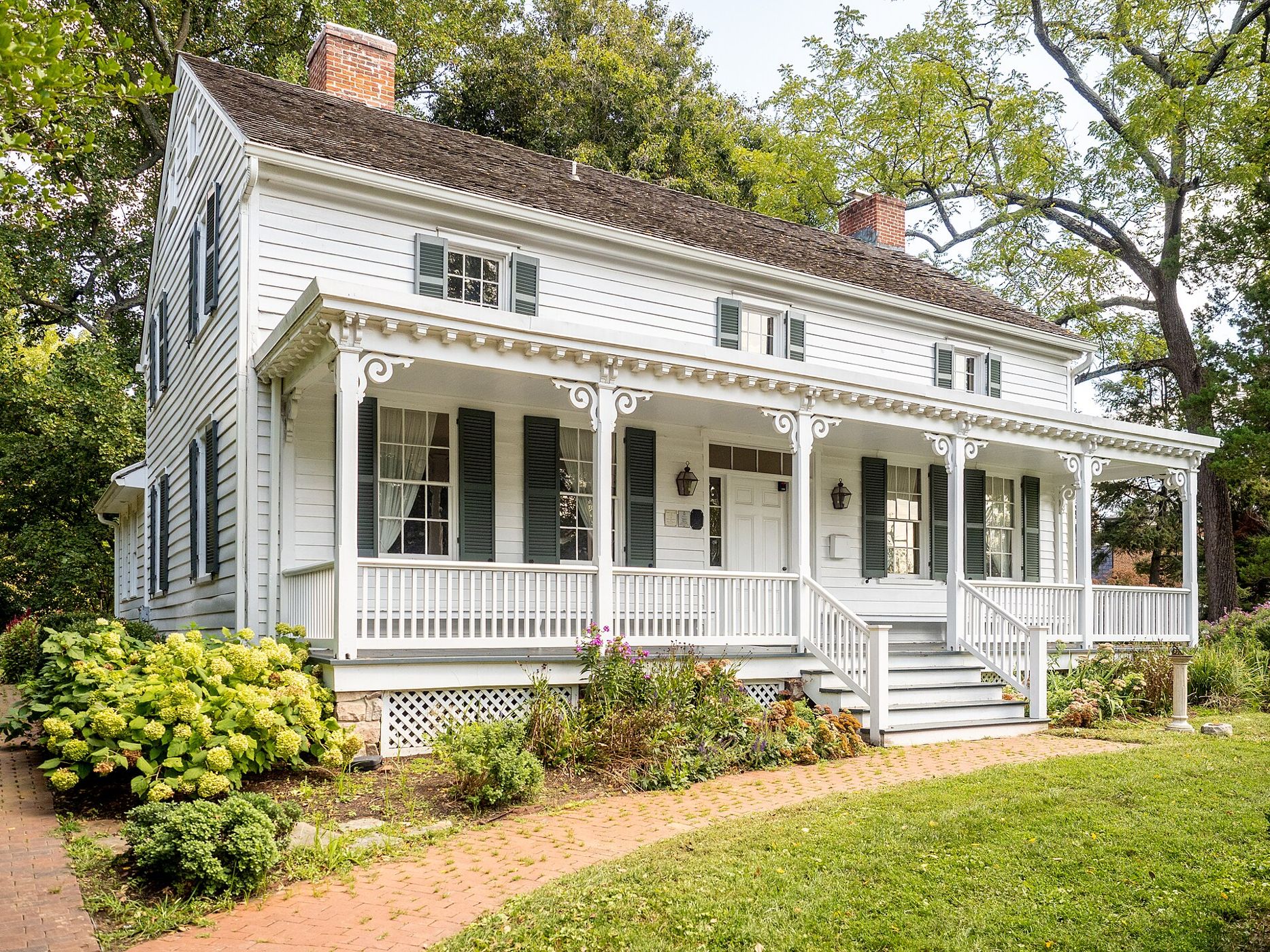
Cherry Hill Park is a recognizable local destination near the city's historic center. The surrounding historic farm property contributes to the community's connection with its agricultural past.
Washington & Old Dominion Trail
The W&OD Trail passes through the Falls Church area and connects communities across Northern Virginia. It offers opportunities for walking, running, and cycling.
Benjamin Banneker Park
Located near the East Falls Church area, Benjamin Banneker Park provides outdoor recreational space and trail connections.
Lake Barcroft
For residents of the private Lake Barcroft community, the lake provides a distinctive recreational setting. Access and permitted activities are governed by community arrangements and applicable rules.
Nearby regional recreation
Residents can also explore parks, trails, sports facilities, and natural areas in Arlington, Fairfax County, and neighboring communities. The practical convenience of these amenities depends on the property.
The Luxury Housing Market: What Are Buyers Really Paying For?
Falls Church's luxury housing market is shaped by location, limited land availability, neighborhood character, and access to major employment centers.
In the independent city, buyers may pay a premium for established residential streets, proximity to downtown amenities, and the city's distinct municipal identity.
In surrounding Fairfax County neighborhoods, the appeal may center on larger lots, private lake access, wooded settings, or convenient access to Tysons and Arlington.
Historic and renovated homes
Older residences can offer architectural character, mature landscaping, and established locations. However, buyers should carefully evaluate renovation quality and the condition of major systems.
New construction
New custom homes may offer modern layouts, luxury finishes, and improved energy performance. But buyers should consider how the home fits its lot, the quality of construction, drainage, outdoor space, and neighboring properties.
Waterfront and specialty properties
Lake Barcroft offers a different category of lifestyle-oriented housing. Waterfront location, lake access, shoreline conditions, and community restrictions can materially influence value.
Location premiums
A home within walking distance of downtown Falls Church or Metro may command a premium over a similar residence requiring more driving. Likewise, a property with an unusually private lot or desirable setting may appeal to buyers who prioritize outdoor space.
Property Taxes: Why Jurisdiction Matters
The independent City of Falls Church and Fairfax County have different real estate tax structures.
Buyers should confirm which jurisdiction governs the property before calculating annual ownership costs.
Actual tax bills depend on the property's assessed value, adopted tax rates, and any additional applicable levies, fees, or exemptions. Verify current rates and obligations for the specific address with the City of Falls Church or Fairfax County, as applicable.
A Falls Church mailing address alone tells you very little about the property's actual tax obligations.
Other ownership costs
Luxury buyers should also consider landscaping, exterior maintenance, HOA dues where applicable, insurance, and the cost of maintaining older or highly customized homes. For waterfront properties, shoreline-related maintenance and community obligations may introduce additional expenses.
Historic Homes, Renovations, and New Construction
Falls Church includes many established residential neighborhoods with homes built across several generations.
Some properties retain original architectural details and traditional floor plans. Others have undergone extensive renovation.
And certain neighborhoods have experienced substantial redevelopment as older houses are replaced by larger custom residences.
Renovating an older home
An established property may offer mature trees, attractive proportions, and a desirable location. However, renovation costs can escalate when structural, plumbing, electrical, or moisture issues are discovered.
Purchasing new construction
A newly built home may offer modern systems, larger kitchens, open layouts, and contemporary finishes. But buyers should still investigate workmanship, drainage, grading, warranties, and permit history.
Neighborhood redevelopment
Replacement homes can alter the scale and appearance of established streets. Buyers who value architectural consistency should consider the potential for neighboring properties to be redeveloped.
Historic restrictions
Certain properties may be subject to historic preservation regulations or other design-related requirements. Buyers planning major exterior changes should confirm applicable restrictions before purchase.
The Lake Barcroft Lifestyle: A Different Side of Falls Church
Lake Barcroft offers a distinctive residential experience within the surrounding region.
The private lake community includes waterfront homes, wooded streets, and recreational opportunities associated with lake living.
For buyers seeking a property that feels removed from the metropolitan environment, this can be particularly appealing.
Yet the community remains within reach of Washington, Arlington, and other Northern Virginia destinations.
Lake Barcroft offers a distinctive opportunity, but waterfront living should be evaluated with specialized attention to the property and its governing community rules.
Waterfront ownership considerations
Waterfront properties require careful investigation. Buyers should review shoreline conditions, drainage, erosion, water-related maintenance, and any restrictions affecting improvements.
Community access
Lake and beach access are governed by community arrangements and rules. Buyers should confirm the rights associated with the specific property.
Privacy and recreation
Some properties offer direct water frontage, while others are located within the broader community. The lifestyle and value of these properties may differ considerably.
Environmental considerations
Waterfront and wooded properties may involve additional drainage, tree maintenance, or environmental considerations.
What People Might Not Love About Falls Church
Understanding the compromises is as important as understanding the attractions.
These considerations do not diminish Falls Church's appeal. They simply reinforce the importance of understanding the specific property and neighborhood.
Jurisdictional distinctions
The jurisdictional distinctions can be confusing. Homes with the same mailing designation may have different taxes, schools, and services.
Housing costs
Housing can be expensive. Desirable locations, limited land, and convenient access to employment centers can command significant premiums.
Traffic
Traffic is a reality. Route 7, Route 50, I-66, and nearby roads can experience substantial congestion.
Walkability varies
Not every neighborhood is walkable. Some locations offer convenient pedestrian access to amenities, while others are vehicle-dependent.
Changing neighborhood character
Redevelopment can change neighborhood character. New construction may alter established streetscapes.
Lot sizes vary
Buyers seeking extensive acreage may prefer Great Falls, Oakton, or more rural communities.
Older home maintenance
Older homes can require investment. Historic and established properties may contain aging infrastructure or deferred maintenance.
Downtown growth
Downtown growth brings activity. New businesses and residential development can increase traffic, parking demand, and construction activity.
Waterfront responsibilities
Waterfront ownership has specialized responsibilities. Lake Barcroft properties may involve additional maintenance and community restrictions.
Who Is Falls Church Right For?
Falls Church may be especially appealing to buyers who value neighborhood character, community identity, and convenient access to the Washington metropolitan region.
The independent city can appeal to households seeking an established community with local traditions, walkable amenities in selected locations, and a compact municipal environment.
Nearby Fairfax County neighborhoods offer different advantages. Some provide larger lots, wooded settings, or private lake access. Others offer proximity to Tysons, Arlington, and major transportation corridors.
For buyers seeking a lively urban environment, Arlington may be a stronger fit. For those who prioritize substantial estates and privacy, Great Falls may offer more of the desired lifestyle.
Vienna may appeal to buyers who want a larger historic town environment with established community traditions. And McLean may be particularly attractive to those seeking luxury residential neighborhoods close to Tysons and Washington.
Falls Church occupies a compelling position for buyers who want community character and metropolitan convenience without necessarily choosing a dense urban environment.
The Falls Church Buyer's Checklist
Before you make an offer:
- Confirm whether the property is in Falls Church City or Fairfax County.
- Verify school assignments with the correct school system.
- Calculate current real estate taxes for the actual jurisdiction.
- Test commuting routes during peak hours.
- Check walking distance to Metro and daily amenities.
- Evaluate traffic and road noise near major corridors.
- Review zoning, setbacks, easements, and renovation potential.
- Inspect drainage, grading, and mature trees.
- Investigate nearby redevelopment and construction activity.
- Review historic preservation restrictions where applicable.
- Examine HOA covenants and fees, if applicable.
- For Lake Barcroft, verify lake access rights and community rules.
- For waterfront properties, inspect shoreline and drainage conditions.
- Review the condition of major building systems.
- Compare recent sales of genuinely similar properties.
- Estimate long-term maintenance and ownership costs.
The Final Question
Is Falls Church the Community You've Been Looking For?
There is something appealing about a community that feels connected to its past while continuing to evolve. Falls Church offers that balance.
Its historic streets, local businesses, established neighborhoods, and proximity to major employment centers create a residential experience that can be both charming and practical.
For some buyers, the ideal property is a beautifully restored home near the city center. For others, it is a sophisticated new residence with modern amenities and convenient transportation access.
And for those drawn to a more secluded environment, nearby neighborhoods such as Lake Barcroft or Sleepy Hollow may offer a completely different interpretation of Falls Church living.
But the most important consideration is not simply whether a property has a Falls Church address. It's whether the home, neighborhood, jurisdiction, and lifestyle align with what matters most to you.
At The Shull Group, we believe exceptional real estate guidance begins with understanding the life you want to create, not simply finding a property that meets a list of specifications.
Find your place in Falls Church.
Historic charm. Modern sophistication. Exceptional homes.
Photo credits via Wikimedia Commons. Cherry Hill Farmhouse in Falls Church: ajay_suresh, CC BY 2.0; The Falls Church, the colonial church that gave the city its name: Southerngs, CC BY-SA 3.0.